


Like many, I grew up wearing Levi’s jeans, where a pocket was fundamentally there to hold your phone or wallet. Although pockets have been sewn into clothing for years and have a deep history, the problem I have been facing is how to fit a phone. Sure, pockets haven’t seen any real innovation in many years, but honestly, modern smartphones aren’t designed to fit comfortably inside tight pockets either, especially if you wear trousers or jeans.
Maybe the new Samsung Galaxy Z Fold 8 is exactly what I have been looking for: a phone that becomes almost invisible when tucked into a pocket, yet opens up to become a mini tablet. This isn’t simply a device that folds in half; it’s a passport-sized smartphone that is both fun and functional, a combination that is rarely seen in phones these days.

But the Fold 8 has fewer compromises: it’s lighter and easier to unfold, has a shorter and wider footprint, packs a larger battery that lasts all day, and has a reduced crease on the inner display. All of these traits make the Fold 8 a much better foldable, but also a bit boring, which is actually great for the category.
More importantly, because its form factor allows the Fold 8 to remain compact, it is ideal for consuming everyday content: things you and I like to do on a phone, such as doomscrolling Instagram and YouTube Shorts, watching videos, reading, and browsing. However, the Fold 8 is pricey and comes at a premium, so the device may not appeal to a wider audience. But its passport-like shape could become the standard form factor for foldable phones.
Here is my review of the Samsung Galaxy Z Fold 8.
What: Samsung Galaxy Z Fold 8| Price: Rs 1,79,999 onwards
A brand new shape
When I got the review unit of the Fold 8 a few days ago, I was still in London, and the first thing I did was take out my passport and compare it with the phone. And you know what? The Fold 8 is almost the same size as the international passport we all travel with. I also compared the Fold 8 with my B7 notebook, which I use for taking notes. That should give you a better sense of the Fold 8’s shape. It’s more squat and square compared with the candy-bar-like design of the Z Fold 8 Ultra, Samsung’s flagship foldable on the market, which is also priced higher than the Fold 8.
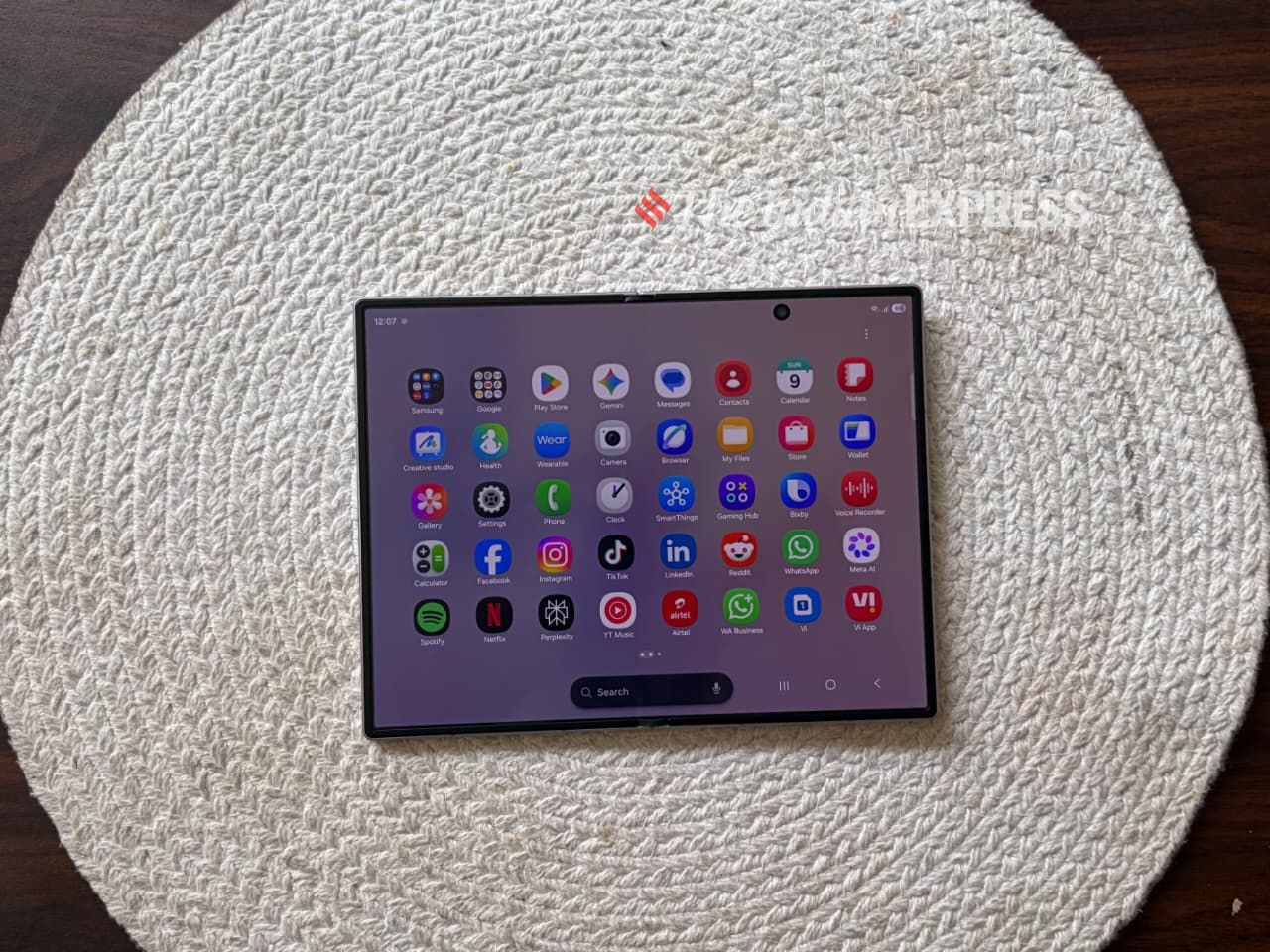

The Fold 8’s passport-like shape also makes the device completely different from the Flip 8, which folds in half but has a design reminiscent of a makeup case. I think the Fold 8’s design offers the best of both worlds: it is compact like the Flip 8, while retaining the Fold 8 Ultra’s book-style form factor, so it opens up to become a tablet.
Story continues below this ad
But the Fold 8 is fundamentally a different kind of foldable because of its shape. The device measures 4.88×3.24 inches when closed. It’s a few notches thicker than the Fold 8 Ultra, but because of its squatter dimensions and lighter weight, the Fold 8 is a much easier device to use. It’s the lightest Z Fold device at 201 grams, measuring 4.5mm thick when open and 9.7mm when closed.
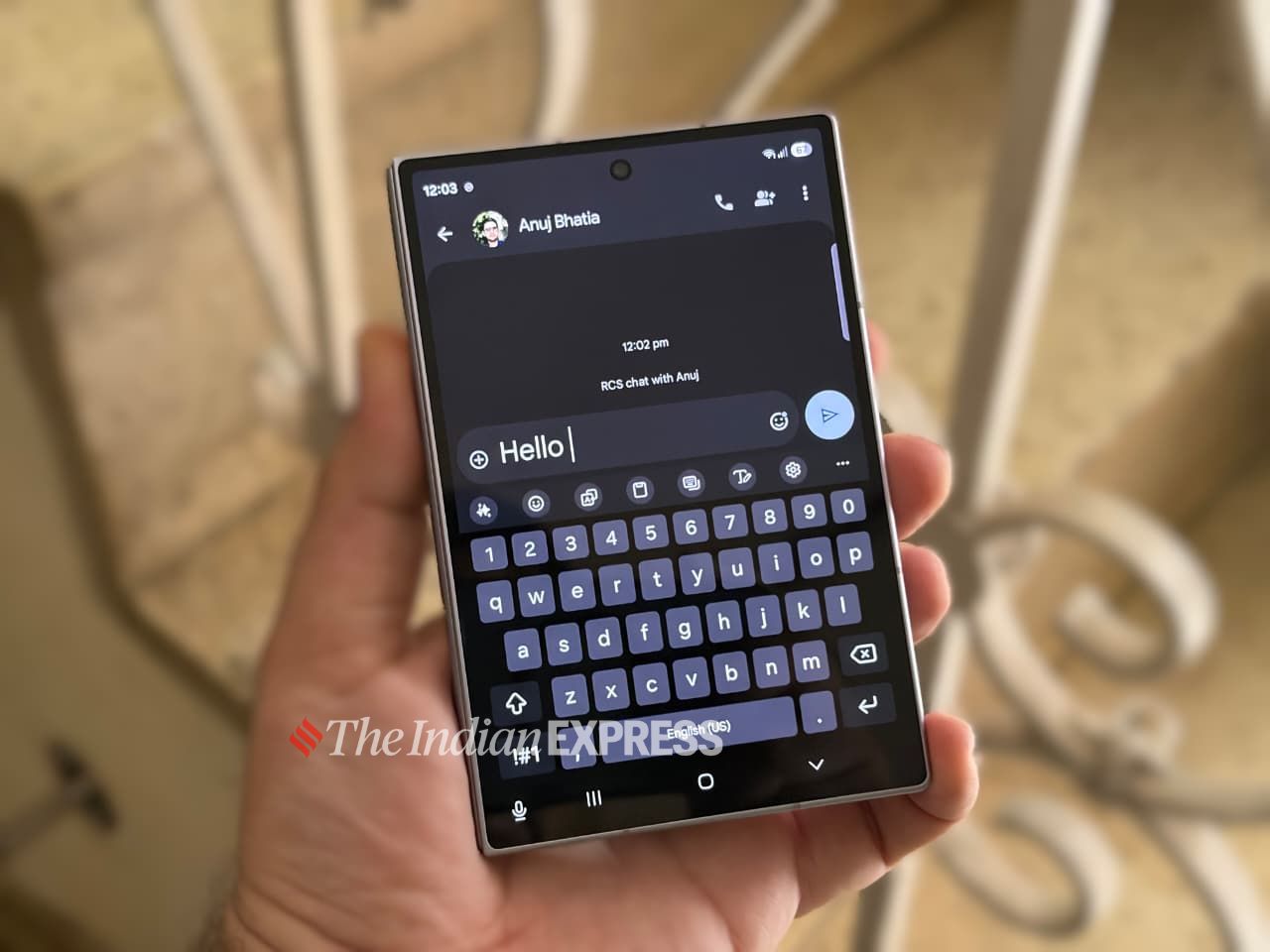
One can use the Fold 8 in two ways: as a regular smartphone and as a mini tablet. The 5.5-inch OLED 10:6 cover screen adorns the front. It’s square in shape, but the screen doesn’t feel cramped, as I initially feared. The screen is wide, but if you are used to the iPhone 17 Pro Max or Galaxy S26 Ultra, you will notice that the Fold 8’s display is slightly wider than those phones, and you will definitely feel the difference in day-to-day use. It took me about four days to get used to the square screen, and it could take even longer for some people. Apps behave normally, just as they would on any other smartphone, but the keyboard is where I struggled.
It takes up a lot of the screen, and I made a lot of typos as a result. Now, after more than 15 days of use, I still make typos, but they have been reduced drastically. That being said, typing with two hands on the cover screen is much easier than on narrower phones, which surprised me. As for one-handed typing, I would say it depends a lot on whether your hand is large enough for your thumb to stretch across the keyboard.
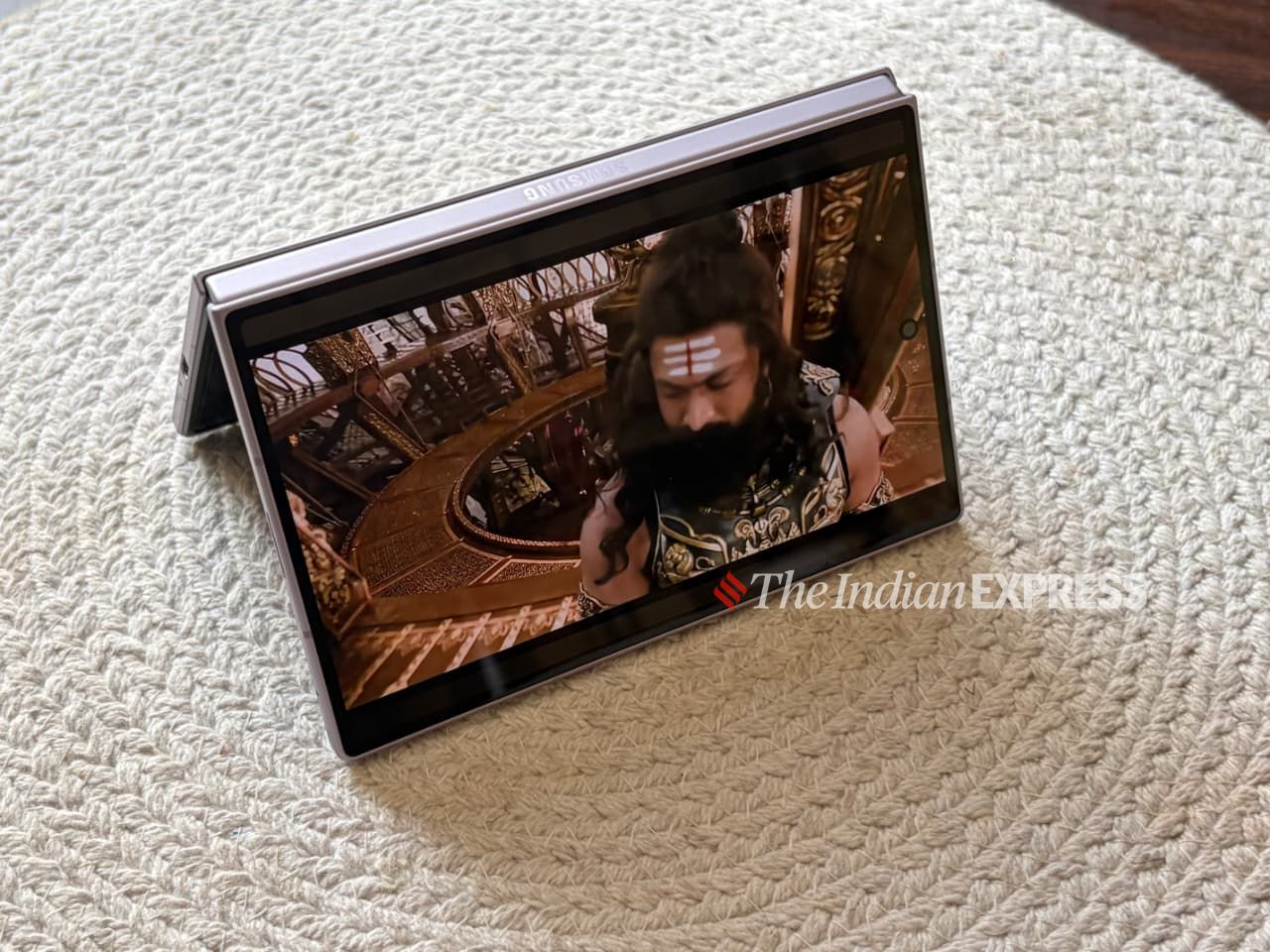
The 5.5-inch screen itself is a complete experience, just like any other smartphone. You can scroll through Instagram, open Gmail to check and respond to emails, and watch videos. I would also recommend trying videos in tent mode, which turns the phone into a tiny stand for watching videos while you have lunch. The good thing about the Fold 8 is that it adapts to what I am doing, rather than forcing me to adapt to the device.
Story continues below this ad
The Fold 8 is designed for scrolling. By default, its shorter screen loses vertical space, so apps display less information. But when you open the phone and rotate it to a vertical orientation, you can experience content in a more traditional, full-height format.
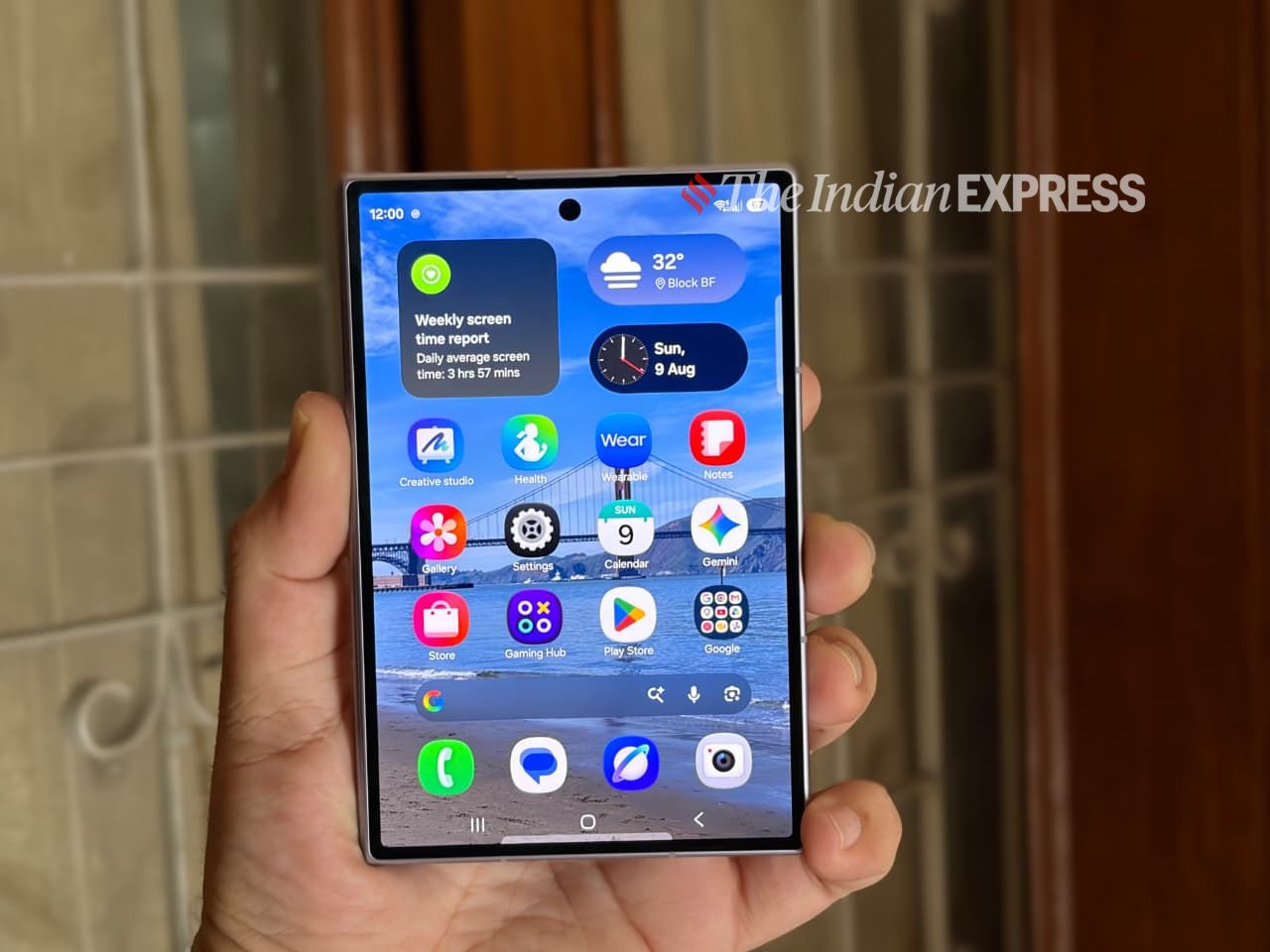
The sleek looks and the sturdy premium frame are standard across new-age Samsung foldables, and you will find them in the Fold 8 as well. The Lavender colour of my review unit is soothing to the eyes.
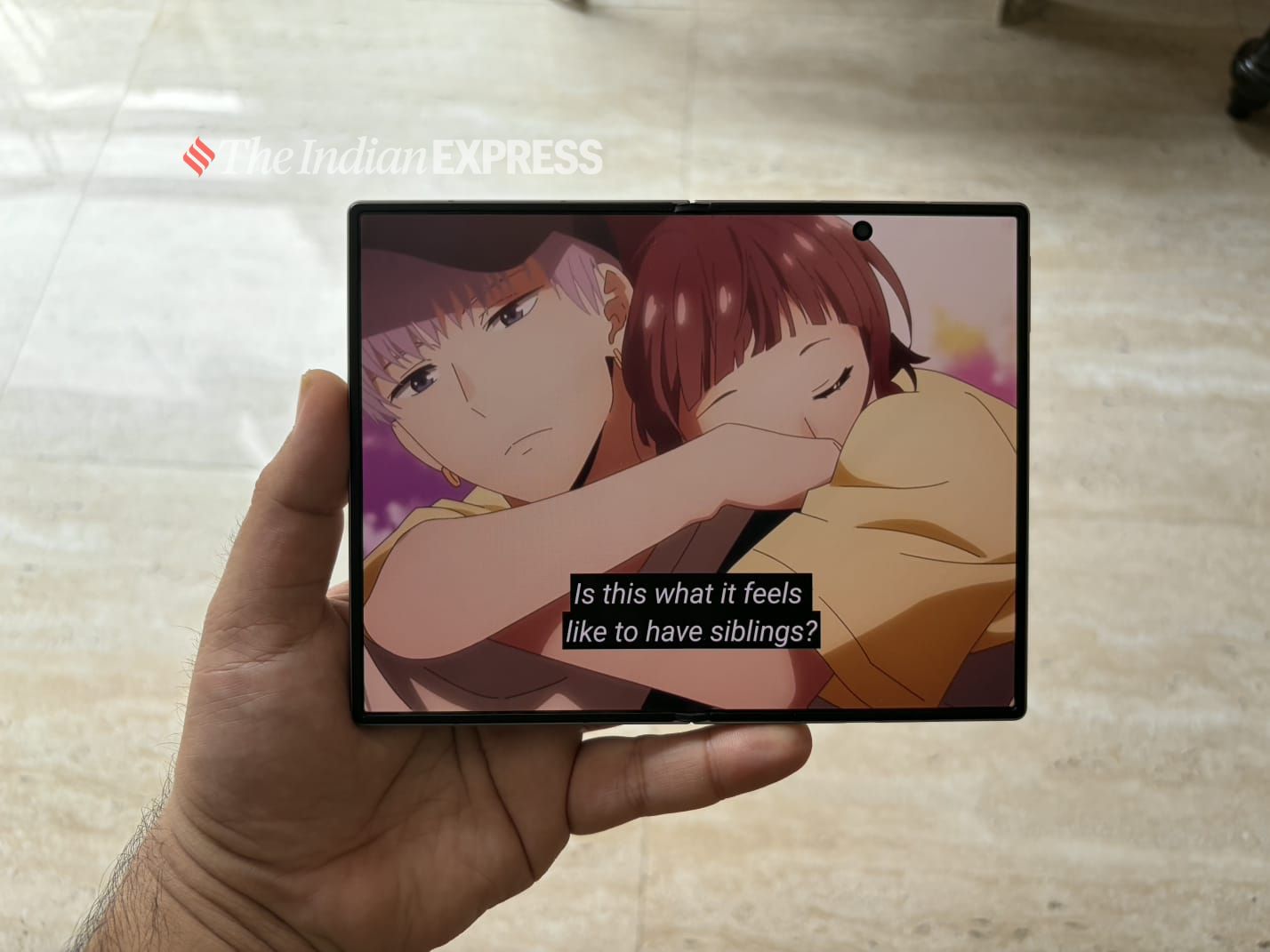
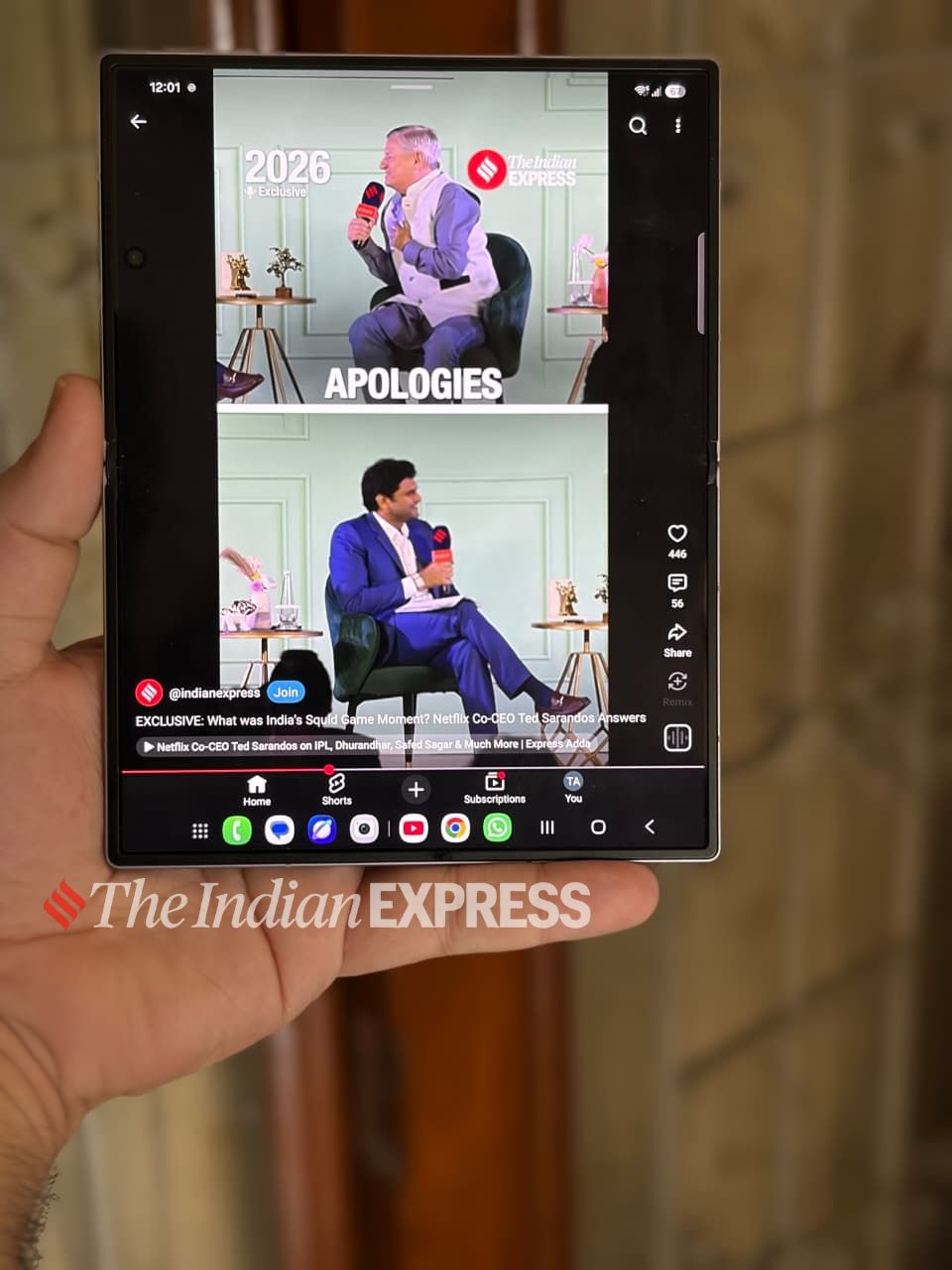
During my time with the Fold 8, I spent 70 to 80 per cent of my time using the cover screen. But things get really different when you open the phone, which has a 4:3 aspect ratio and transforms into a mini tablet, much like the iPad mini. The 7.6-inch AMOLED display is perfect for consuming media, and that’s where the difference becomes apparent.
Watching the trailer for Ramayana on the Fold 8’s 7.6-inch screen, with its more familiar 4:3 aspect ratio, allows widescreen content like movies and games to look the way they are meant to be experienced. There’s definitely less letterboxing. By comparison, when I watched the same content on my Z Fold 7’s 8-inch screen, it looked awkwardly boxy.
Story continues below this ad
Yes, it’s true that not all apps work flawlessly, but the ones that do work fantastically, like Instagram, YouTube, and all Google apps. Multitasking is another highlight of using a foldable over a regular, slab-shaped smartphone. Samsung recommends multitasking with up to three apps, but frankly, it starts to feel a little cramped, so I switched back to using two.
The real fun begins when you open the inner screen and turn it into portrait mode. Because the screen is optimised for vertical content, it’s so much fun watching YouTube Shorts and Instagram Reels, almost as if you are holding a giant slab phone. In the vertical orientation, social media apps really shine. Not only did I enjoy using Instagram and LinkedIn, but I also really enjoyed reading the e-paper edition of The Indian Express and comics.
This time around, the Fold 8’s inner display also solves a major pain point I have had with foldables by introducing the least visible crease I have seen on a foldable phone. All thanks to the new Flex Titanium technology, which has made the Fold 8 thinner and more durable than previous Galaxy Fold displays, while also minimising the crease. After 15 days of use, I can say with confidence that the inner screen is still crease-free. Samsung also added an anti-reflective layer to reduce glare, which also helps when using the phone.
Thinner and lighter foldables are certainly a welcome move, but I haven’t seen Samsung’s foldables make the same progress when it comes to durability. The Fold 8 still has an IP48 rating, which means it can be submerged in up to 1.5 metres of water for 30 minutes and is protected against solid objects larger than 1mm, but not dust or sand. The exception is Google’s Pixel 10 Pro Fold, which has an IP68 rating, offering the same level of dust and water resistance as high-end non-folding phones.
Story continues below this ad
Great performance and battery life
My unit came with the Qualcomm Snapdragon 8 Elite Gen 5 for Galaxy chip, which is fast and zippy, along with 12GB of RAM on my 256GB review unit. You can opt for 16GB of RAM if you buy the 1TB model. The performance is great and, in fact, more than enough for what I would need from a phone. Apps open quickly, I can easily multitask between WhatsApp, YouTube, and Gmail on the inner display without any slowdown, and I can even use Google Gemini to create a feature image and help me with SEO keywords for a story. The only thing that bothers me at times is that the phone can get hot. I suspect this is because of its super-thin design and the lack of a built-in vapour chamber like the one found in the Galaxy S26 Ultra.

On the battery front, the Note 8 is fitted with a larger 4,800mAh cell, which also incorporates a small percentage of silicon-carbon material. I got almost a full day of battery life with heavy use, which, by now, you all know is how I use my review units.
The 45W fast wired charging, with a compatible charger sold separately, was more than quick enough to give me a quick recharge, taking the battery from around 0 per cent to 60 per cent in 30 minutes. The Fold 8 also supports 20W fast wireless charging, but, weirdly, Samsung still refuses to include built-in magnetic charging rings.

The phone ships with Android 17 and One UI 9, and you will get seven years of software and security updates.
Story continues below this ad
Galaxy AI and camera
I am not particularly fond of AI features on phones, and as the years go by, I find myself using them less and less. The AI feature I use most on a phone is still Magic Eraser, and I occasionally use Portrait Blur to touch up the product shots I use in my stories.
While the Note 8 has a ton of AI features as part of Galaxy AI, I can see for myself that there is less emphasis on AI, although Samsung’s marketing campaigns still carry the Galaxy AI branding. It shows that consumers don’t really care about AI on mobile devices. Still, Samsung persists, believing that you may like features such as Now Nudge and My FanCam. The latter is an AI feature that automatically tracks a chosen subject in a video and lets you reframe clips for social media, though the quality drops when it zooms in.
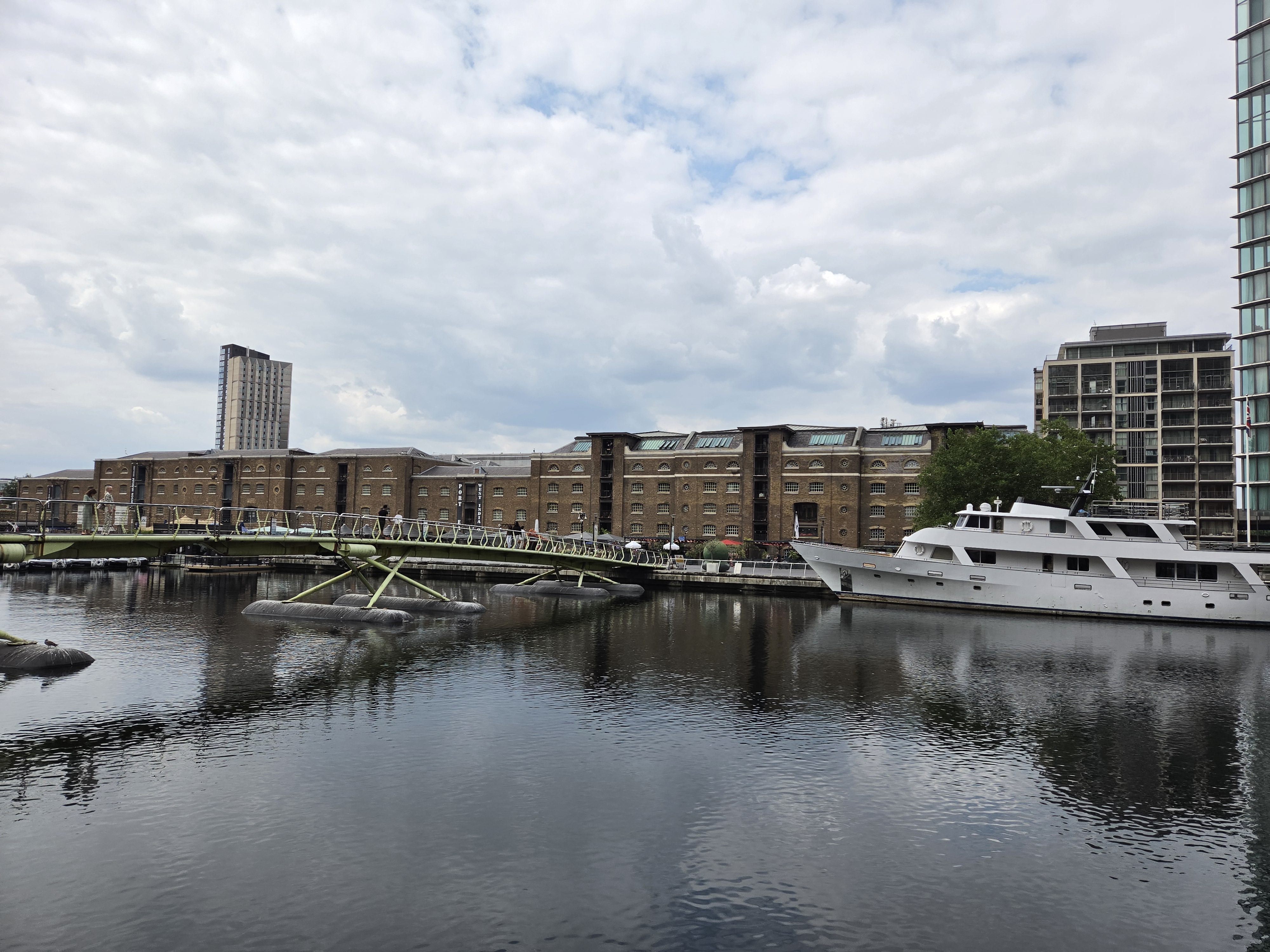
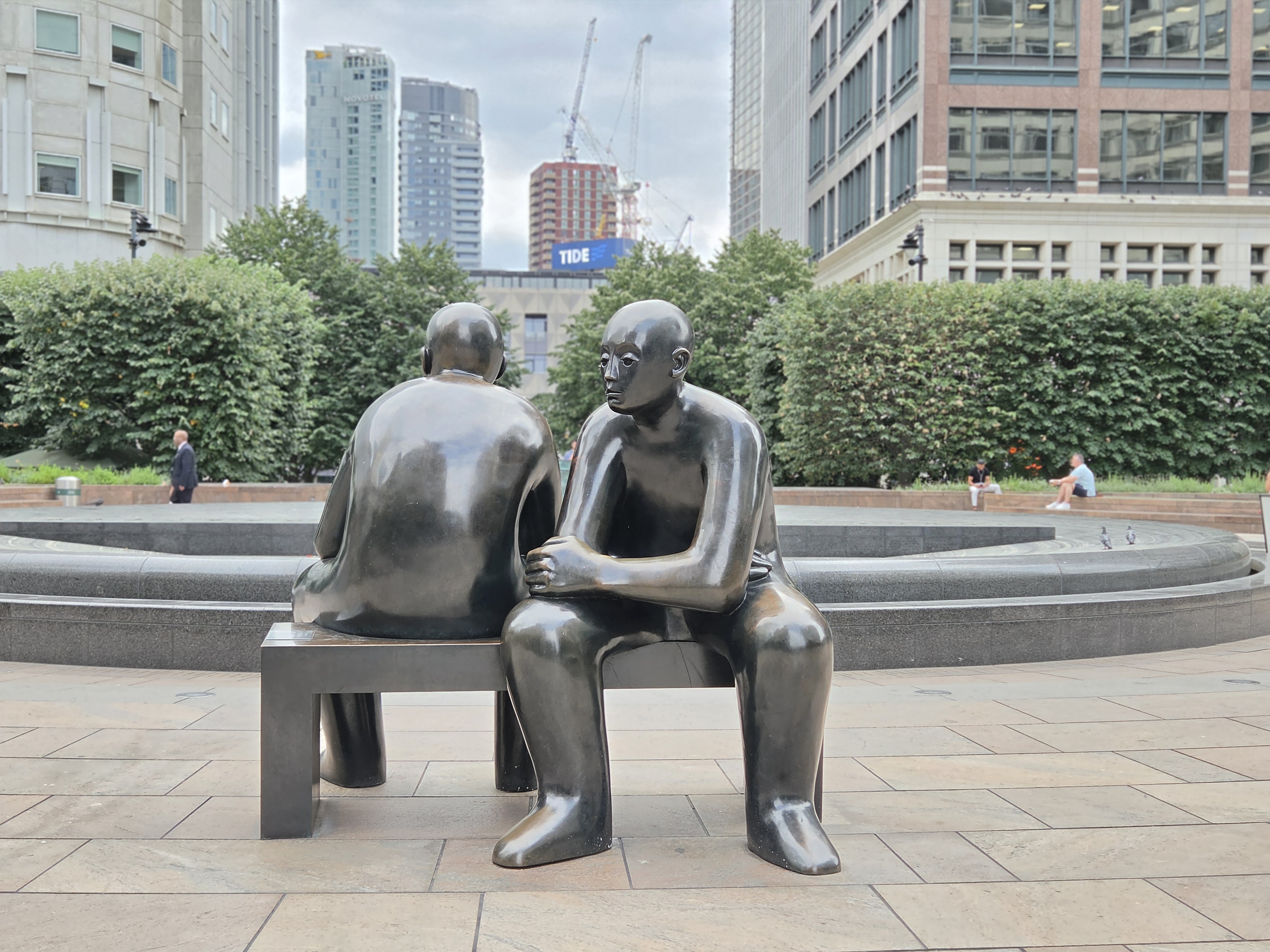
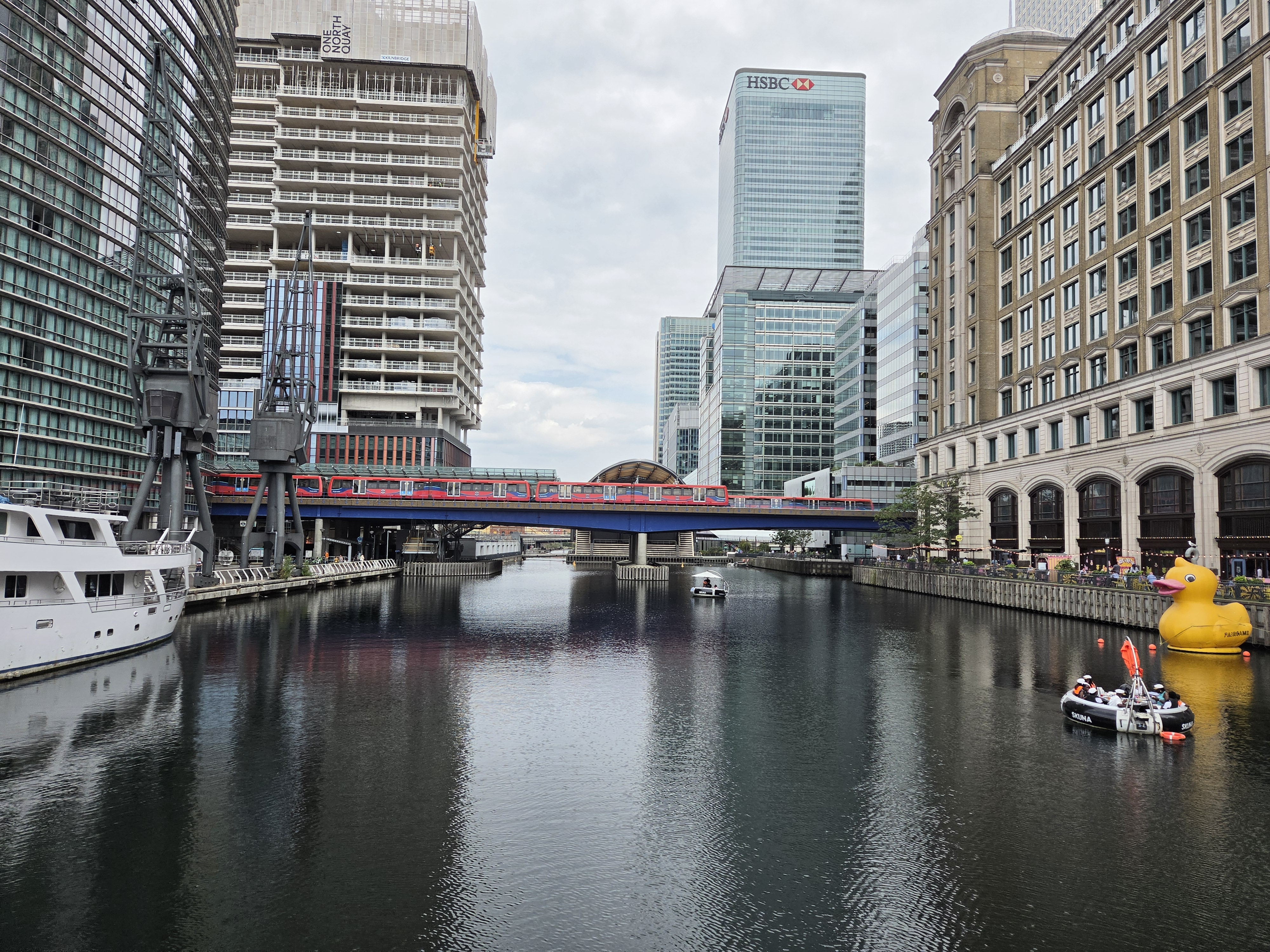
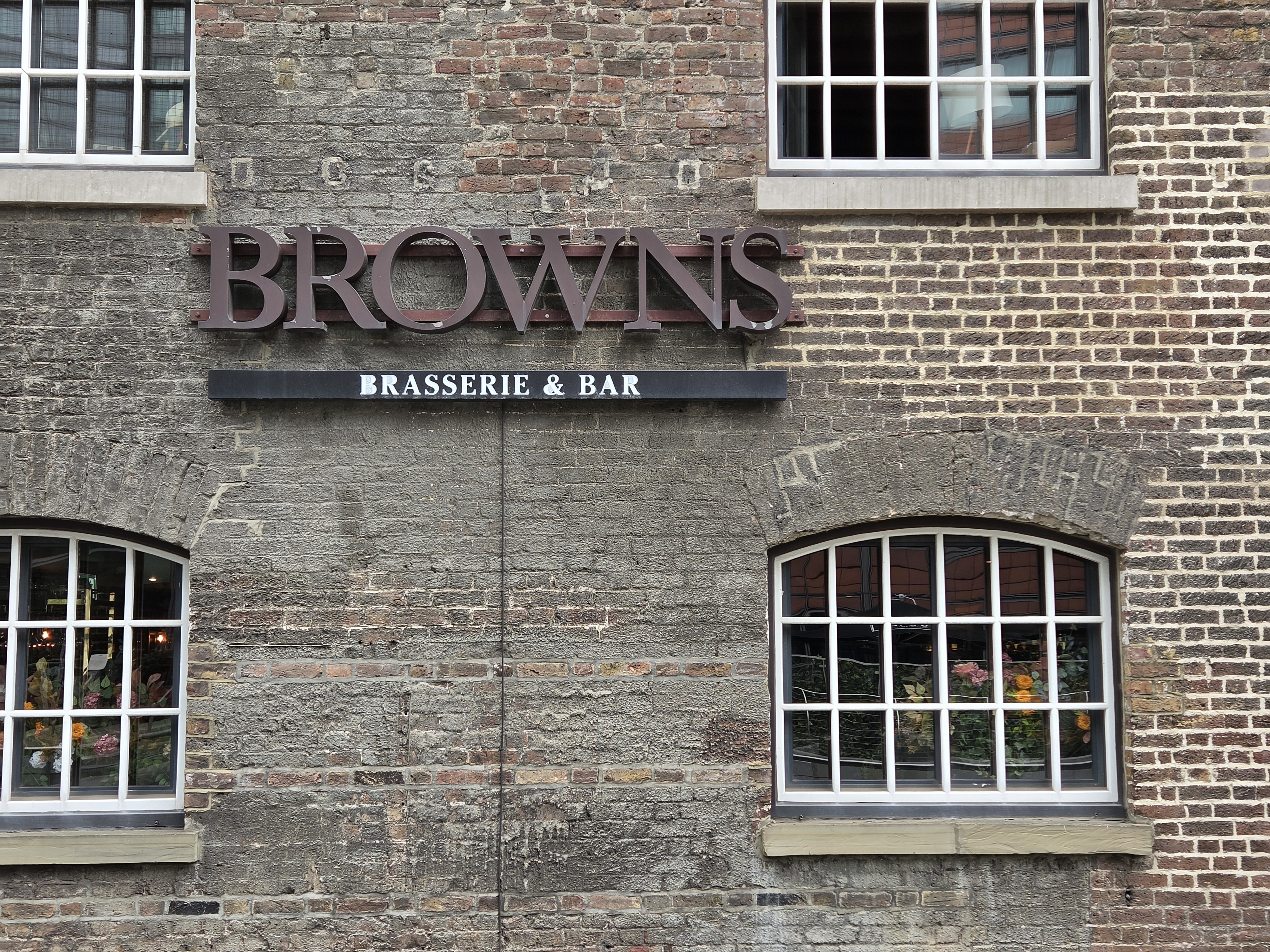
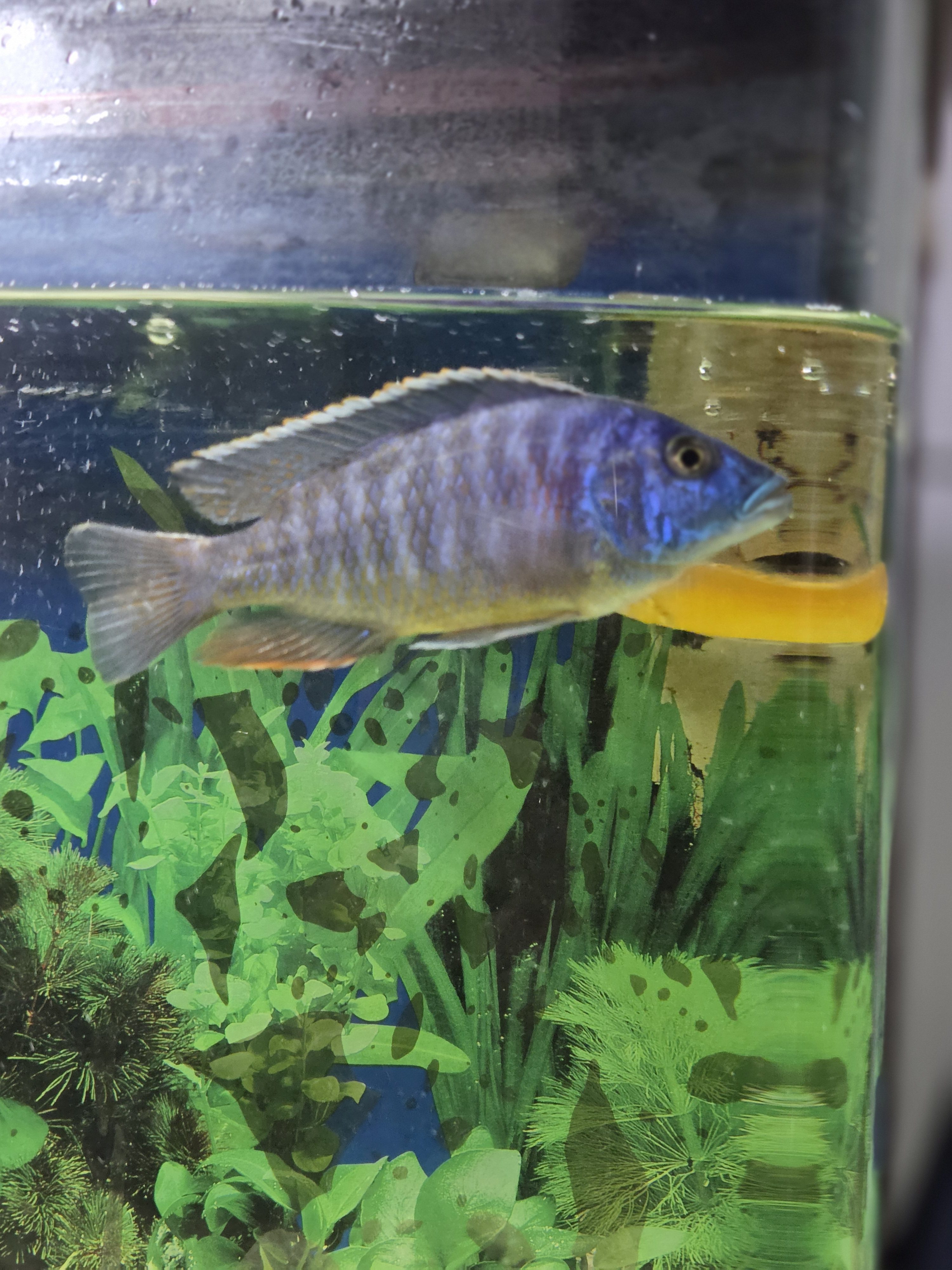
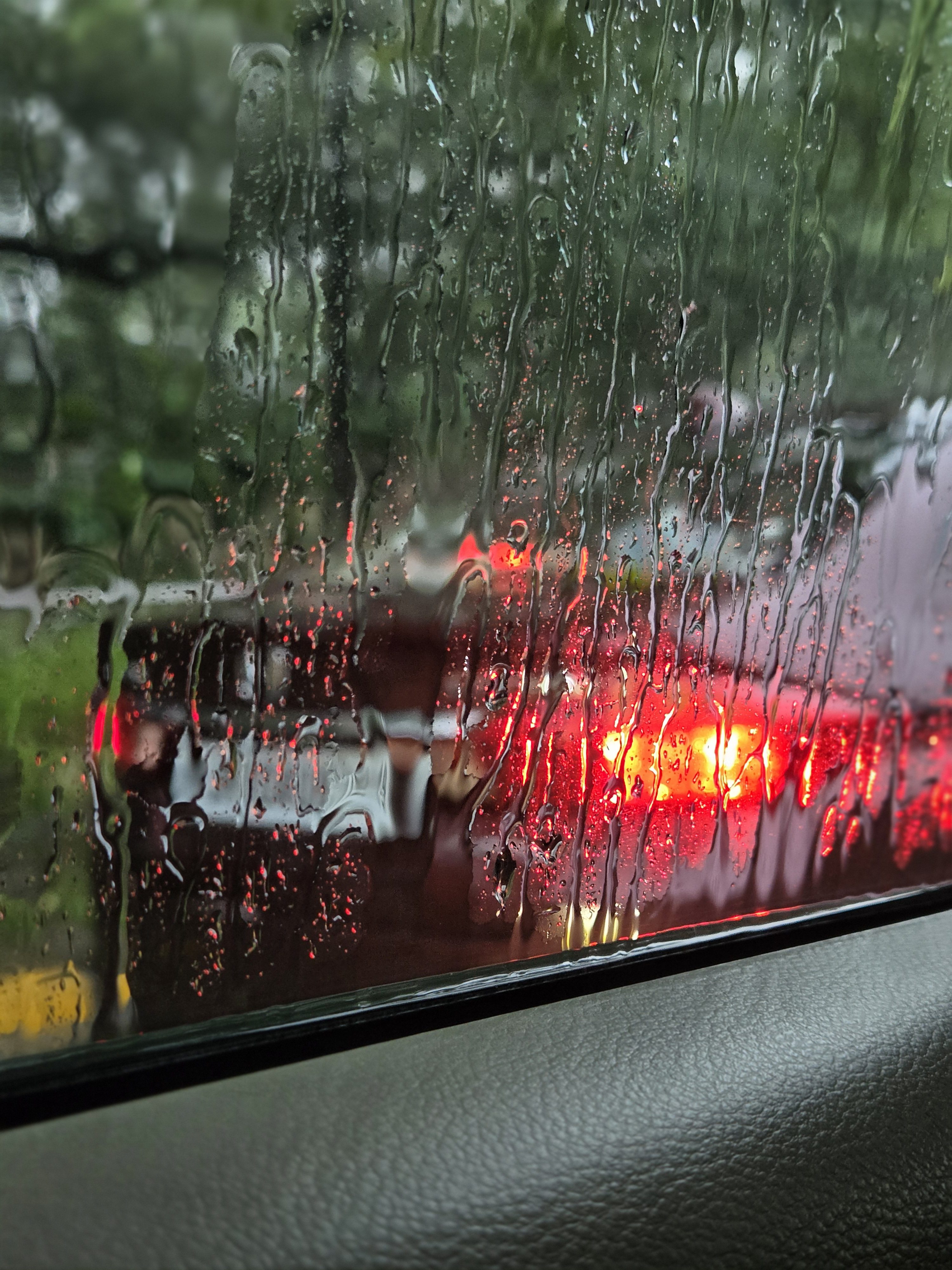
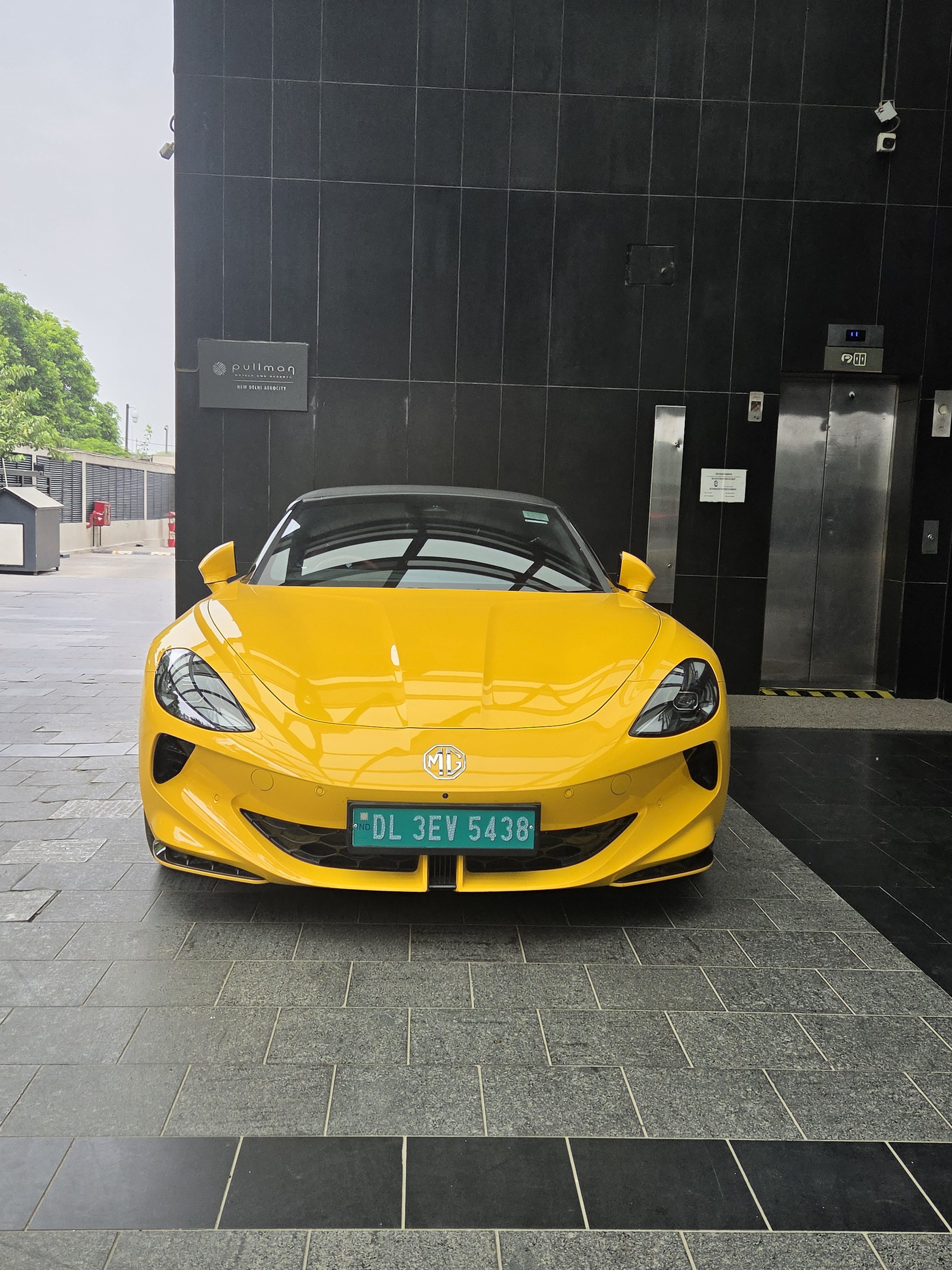


The cameras on the Note 8 are a mixed bag; they might impress some people and disappoint others. I found the camera system on the Note 8 to be good, but it’s nowhere near comparable to the Galaxy S26 Ultra or iPhone 17 Pro Max. In fact, the Note 8’s camera system is also a step down from the Note 8 Ultra, which has a triple-camera setup that includes a 200-megapixel wide-angle camera. In comparison, the Note 8 settles for a 50-megapixel wide camera and a 50-megapixel ultrawide camera. It also has 10-megapixel selfie cameras on both the cover and inner displays. The lack of a telephoto lens is a real pain point for me.
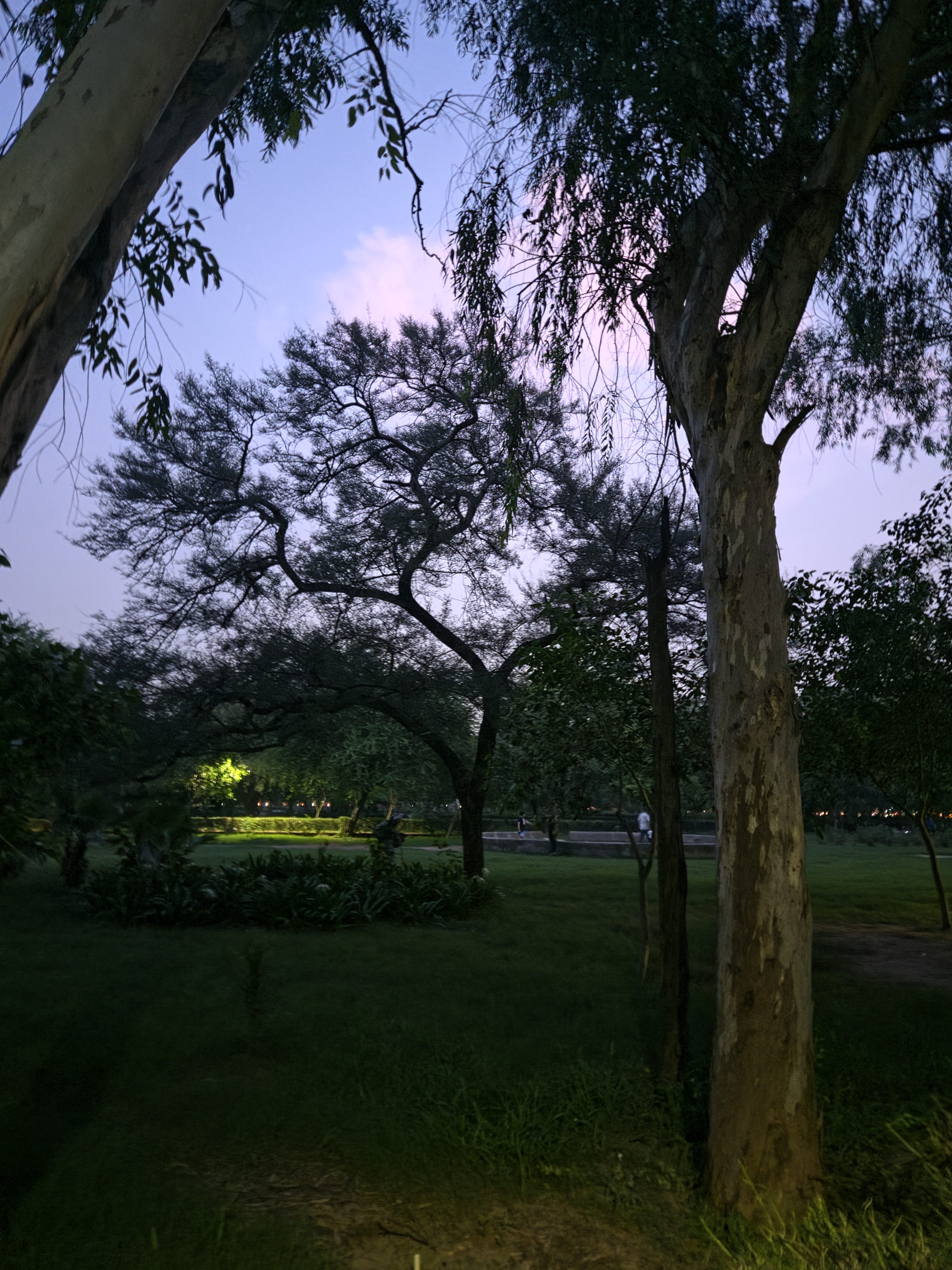
I spent a lot of time testing the Note 8’s camera, and it does impress in good lighting, especially when the weather is fantastic. The details are rich and the colours pop, though I would say my Fold 7 did a better job. Its higher-resolution main camera, along with an additional telephoto lens, captured the shots with better depth and colour accuracy. The late-night shots of the park where I regularly go were a mixed bag. They weren’t bad, but the camera’s accuracy took a bit of a hit. For everyday photos and videos, the Fold 8’s cameras are good enough. Images look natural and less processed, which is something I have complained about with Samsung phones for years. Most average consumers may be perfectly happy with them.
Story continues below this ad
Observations
The 10-megapixel hole-punch camera on the inner screen can obscure certain parts of a menu or text, depending on what you are looking at. For example, when reading an e-paper or ebook, the hole punch is glaringly visible.
Meanwhile, the stereo speakers get loud, but their placement makes the sound feel almost mono from one side when the Fold 8 is unfolded. A better design would be to place one speaker on each side for more balanced audio in tablet mode.
So, should you buy the Samsung Galaxy Z Fold 8?
I think the Fold 8 is a better-designed foldable because it irons out many of the deficiencies of previous foldables. The shorter and wider design may be the best way forward for foldable phones, and it works. Perhaps the reason I liked the Fold 8 so much is that it’s a versatile device that offers the best of both worlds: a compact design when closed and a book-style form factor that transforms it into a usable tablet when opened, making it ideal for consuming all types of content, including presentations.
However, there’s no getting around the fact that the Fold 8 is an expensive smartphone, starting at Rs 179,999, and it caters to a select group of customers who probably aren’t as affected by rising inflation and the higher cost of living.
Story continues below this ad
All said and done, I did like the Fold 8. It’s different from other smartphones and offers a fresh take on foldables, but at the same time, it finally settles on a foldable design that could become the default standard and help popularise folding phones among the masses. Maybe Samsung’s Fold 8 is just the beginning, as Apple is also rumoured to adopt a similar passport-like design for its first foldable iPhone.
Foldables have to be boring first to be adopted widely, and it begins with the Fold 8, believe it or not.