


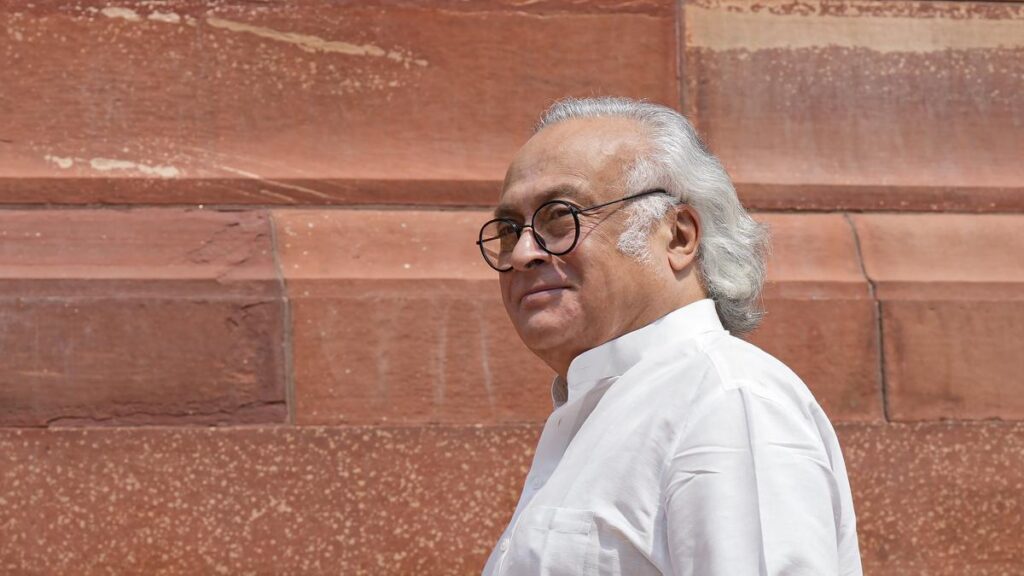
Jairam Ramesh, Rajya Sabha MP and former Union Minister for Environment and Forests

Jairam Ramesh, general secretary (communications), Indian National Congress.
| Photo Credit:
PTI
“David Attenboroughwas part of Indira Gandhi’s circle of naturalists. In 2019, in his acceptance speech on winning the Indira Gandhi Prize for Peace, Disarmament and Development, he recalled a conversation with her in the early 1960s. Attenborough had driven her to Birmingham, where they discussed how television could be used for education and public communication. For my part, I was familiar with the Attenborough name through Richard Attenborough, who acted in Shatranj Ke Khilari (1977) and directed Gandhi (1982). It was my wife, a naturalist, who introduced me to David Attenborough. If Attenborough’s century was about seeing the natural world, the coming century is about saving it. That requires mainstreaming his ideas in political discourse. Those who stand by his ideas must also oppose projects such as the ecologically disastrous Great Nicobar Project that the Union government is pushing.”
(As told to Sobhana K. Nair)
Stephen Alter, author
Alter, of American descent, was born in Mussoorie, Uttarakhand, and much of his writing focuses on the Himalayan region.

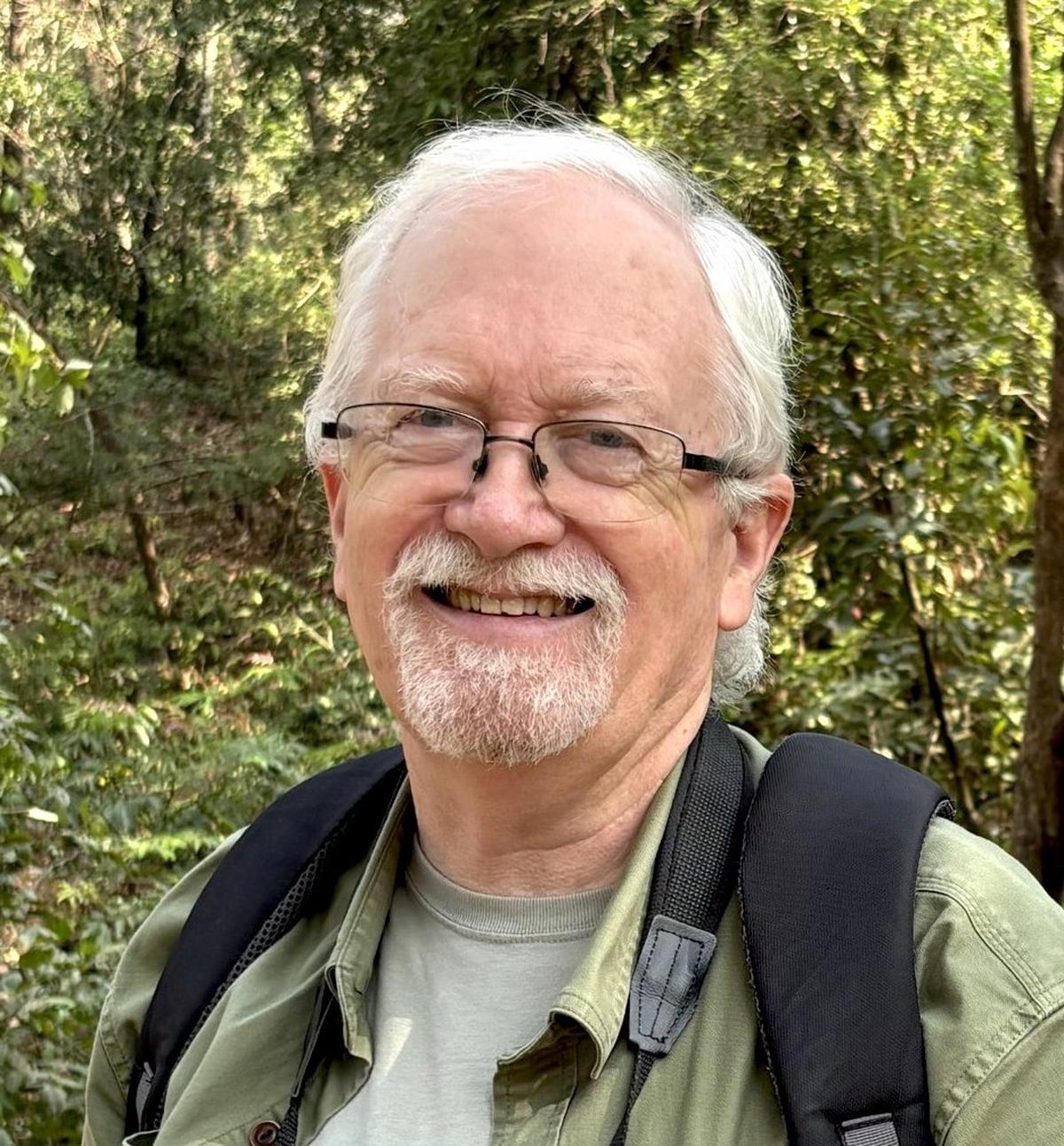
Stephen Alter
| Photo Credit:
Special arrangement
“Anyone who writes about biodiversity today cannot ignore David Attenborough’s work as a naturalist, author and television host. What has influenced me most is the way in which he presents science, particularly biology, as an act of storytelling. When I was researching and writing my recent book, The Cobra’s Gaze: Exploring India’s Wild Heritage, his approach to wildlife and wild places was certainly an inspiration. Without anthropomorphising the species he describes, Attenborough is able to narrate a compelling tale that captures a viewer’s imagination and conveys a sense of wonder for all forms of life on this planet.”
(As told to Julie Merin Varughese)


Neha Sinha, conservation biologist and author of Wild Capital


Neha Sinha
| Photo Credit:
Special arrangement
“David Attenborough’s comments on reducing population in what he described as ‘Asia and Africa’ appeared careless and tone deaf. As he calls for nuance in the way we look at a creature, we need a similar nuance for the places that host many of these creatures: the developing world. Having said that, David’s persistent work on creating appreciation for biodiversity – including wildlife that is seen as odd, venomous, slimy, ugly – is pathbreaking. He asks only for your attention as he tells you why something unloved is worth valuing, even loving, and this in a way reflects some of the modern jurisprudence debates around the Rights of Nature movement, which call for a full acceptance of an animal or natural feature, with all its bristles, characteristics, and its inalienable right to thrive.”
(As told to Rosella Stephen)
Ranjit Lal, Nature and wildlife writer and author

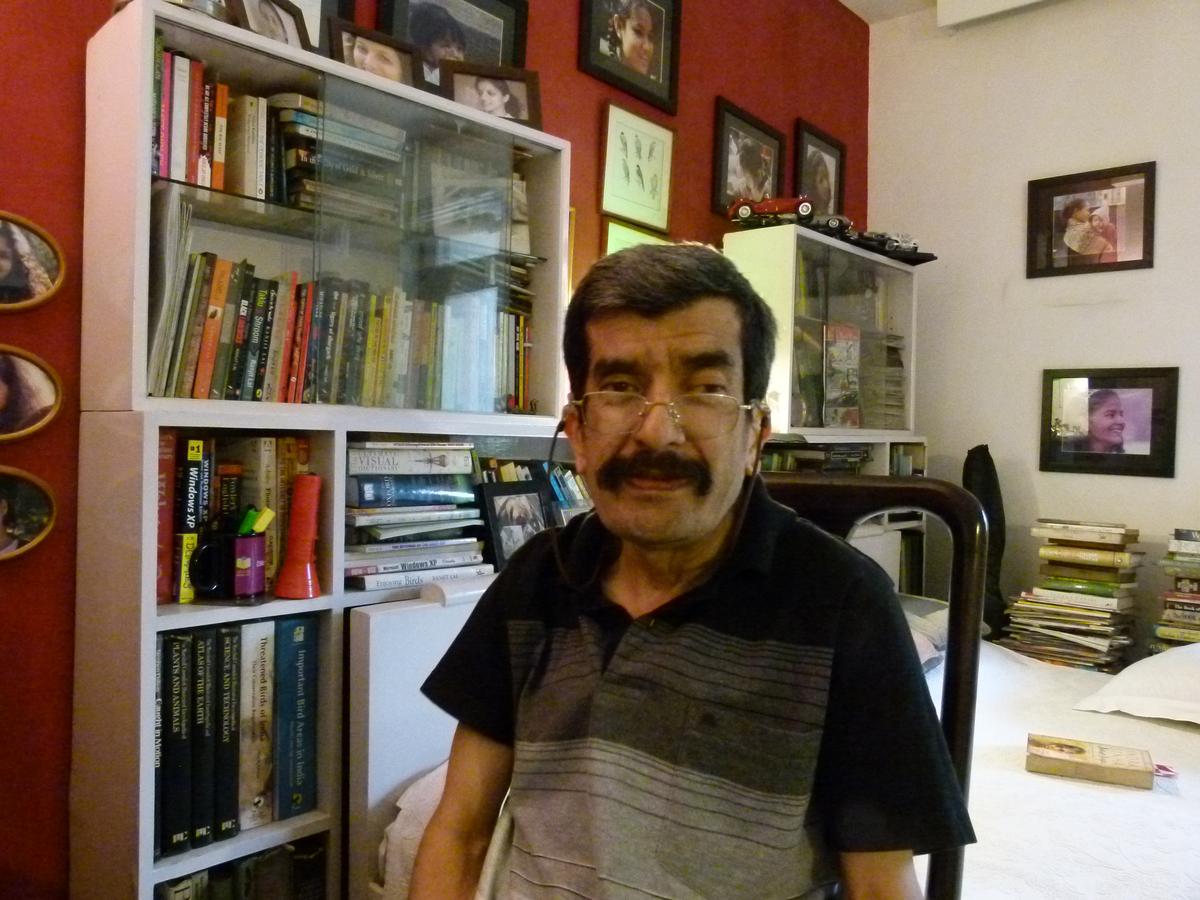
Ranjit Lal
| Photo Credit:
Special arrangement
“I’ve been seeing so many of his programmes and I’ve got a couple of his books: The Living Planet and The Life of Birds. What leaves an impression is his sort of breadth and coverage: everything from the bottom of the ocean to the top of the sky. His programmes are very well researched, and he’s a very good storyteller. The best part is that all his work always ends on a note of optimism that ‘we are in a bad way, but we can still do better and change things’, he doesn’t kill that hope, which is what a lot of environmentalists tend to do, calling it doomsday. His style was slow motion, he’d use deep-sea cameras, and drones, take aerial shots. The cameras they used are exceptional, especially while shooting close ups. Like the way he gets into the dens of termites and shows what’s happening inside, it’s quite amazing. You learnt a lot from what he showed. One should sit down with a notebook and take notes from his programmes. He has gone to places and shown things which one never knew of. It’s very good education, you tend to look more, start questioning more. And unlike in tourism, wildlife filmmakers/photographers, who have been so long with these animals, know how to maintain distance and respect the wildlife. Attenborough manages to capture a balance. And everything from his discoveries was eventually pointing towards climate change, it being one of the biggest villains in the whole process. That we (humans) are causing it. He had to go into that.”
(As told to Tanushree Ghosh)
Sandesh Kadur, Wildlife film producer and conservation photographer

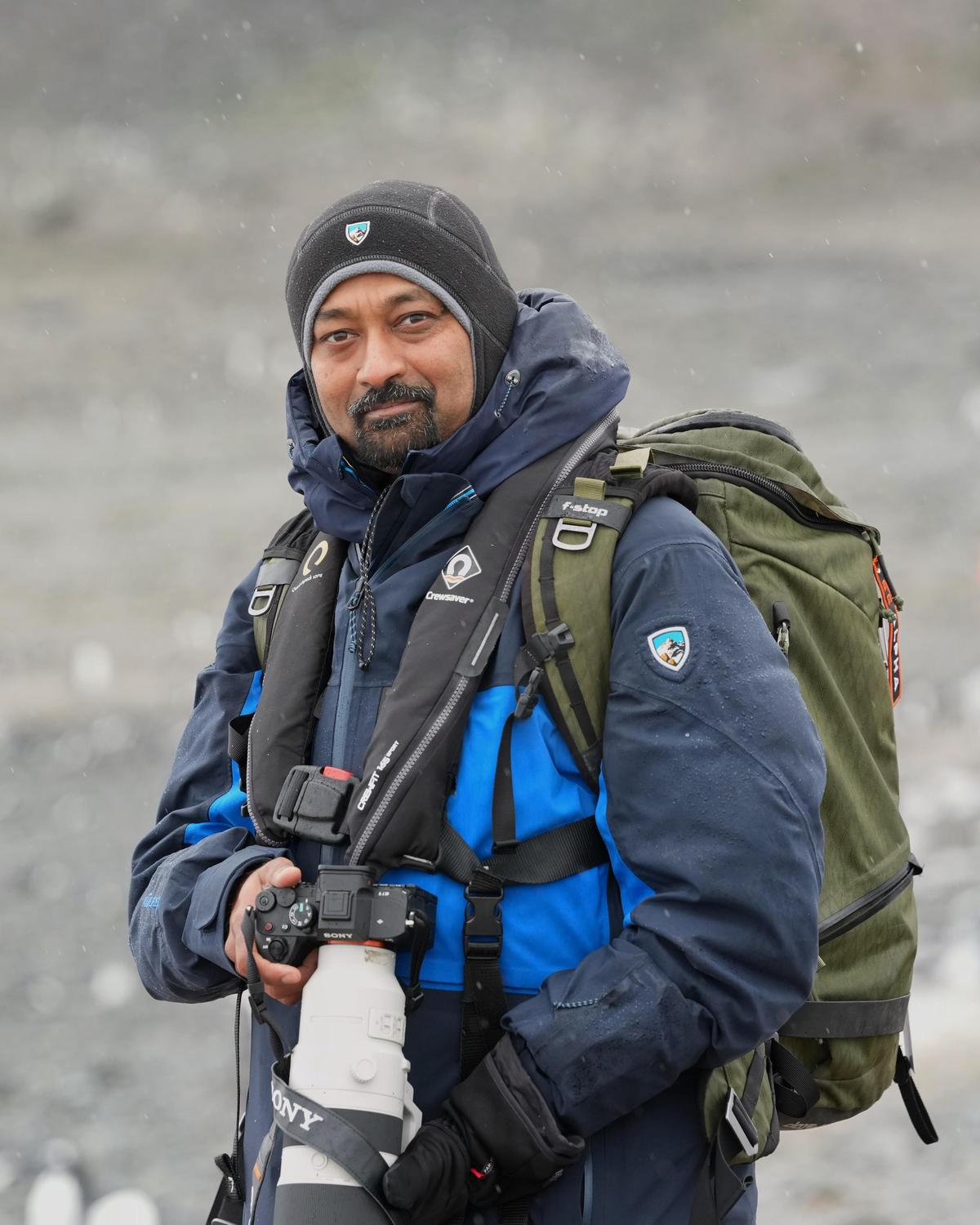
Sandesh Kadur
| Photo Credit:
Special arrangement
“From as early as I can remember watching anything on television, I remember my father, Dr. Vishwanath Kadur, bringing the Life on Earth VHS cassette. And ever since, I’ve been watching documentaries by Sir David Attenborough. Everything from Life on Earth, Planet Earth 1, Planet Earth 2, Life of Birds, Life in the Undergrowth, Life in Cold Blood. He introduced us to species beyond the realm of my own knowledge, took us into exotic places, deep in the Amazon or Antarctica, the Galápagos. If you watch Planet Earth 2, there’s a sequence of lizard, the marine iguana, being chased by these racer snakes. One of the most fascinating wildlife animal behaviour sequences; and a unique sequence that had never been filmed before. Sir David filmed in Rajasthan, and other parts, where he’s exposed some of the beautiful stories of co-existence in India, of how animals and people live in this precarious balance. And he showed that in The Life of Mammals (2002-03). Whenever I’m out somewhere remote for filming, his voice is always in my head. He’s very conscious that this beautiful world around us is under threat. In his most recent documentary called Ocean (2025), Sir David takes us into the fragile world under the waters, and shows that our everyday lifestyle habits have affected the oceans in a big way. Ocean has made a huge impact around the world. This is the kind of domino effect a powerful storyteller can have and influence the world to make better decisions.”
(As told to Tanushree Ghosh)
Rohan Chakravarty, cartoonist and columnist

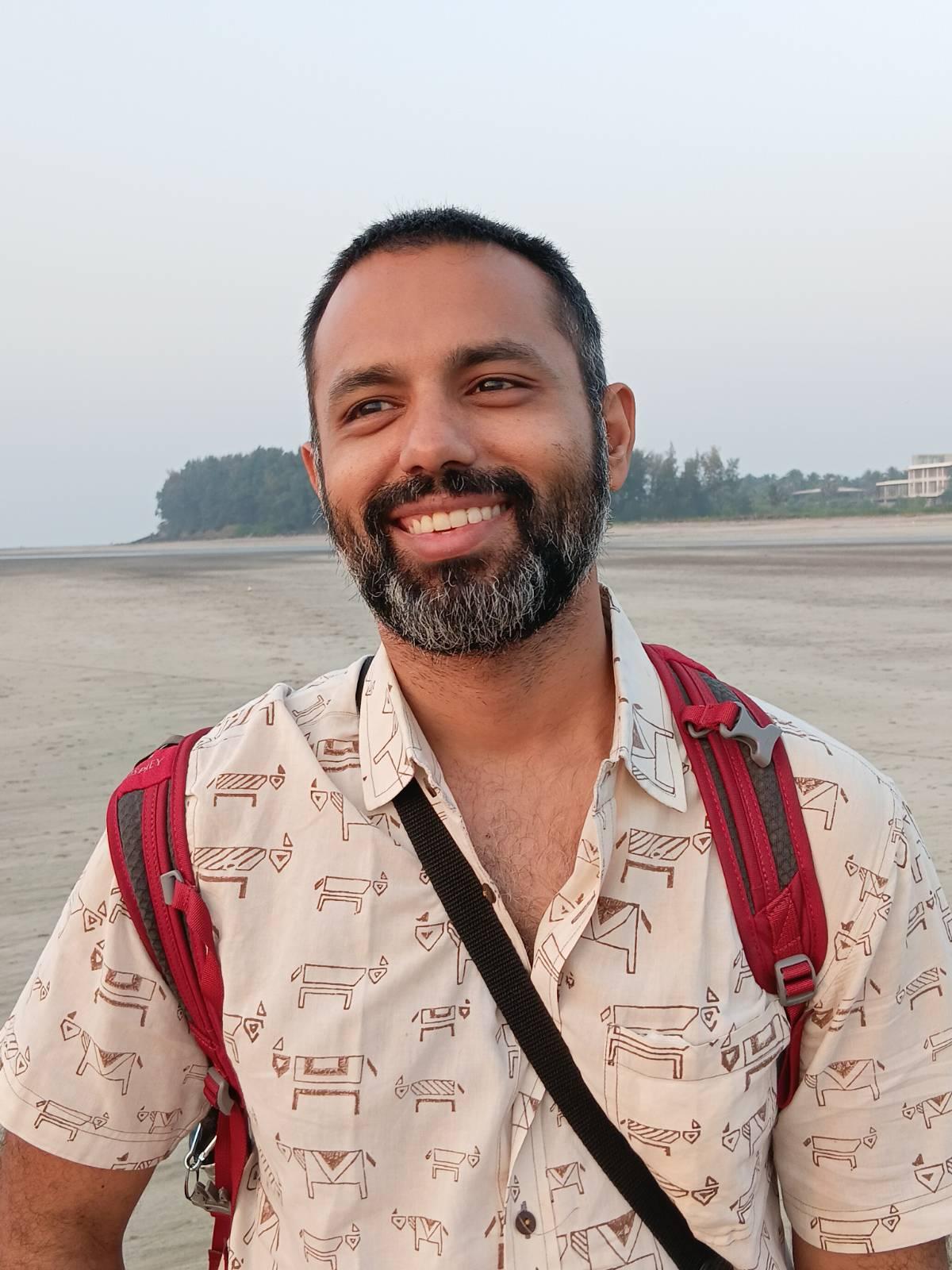
Rohan Chakravarty.
| Photo Credit:
Special arrangement
“David Attenborough’s documentaries were very influential in shaping the wildlife-centric perspective of my cartoon series Green Humour. The most profound aspect about his presentation for me is that the spark of enthusiasm a wild animal brought in his eyes was just the same, whether it was a bug or a fox, a mole or a gorilla, and whether he was in his 40s or his 90s!”
(As told to Rosella Stephen)
Romulus Whitaker, herpetologist and conservationist

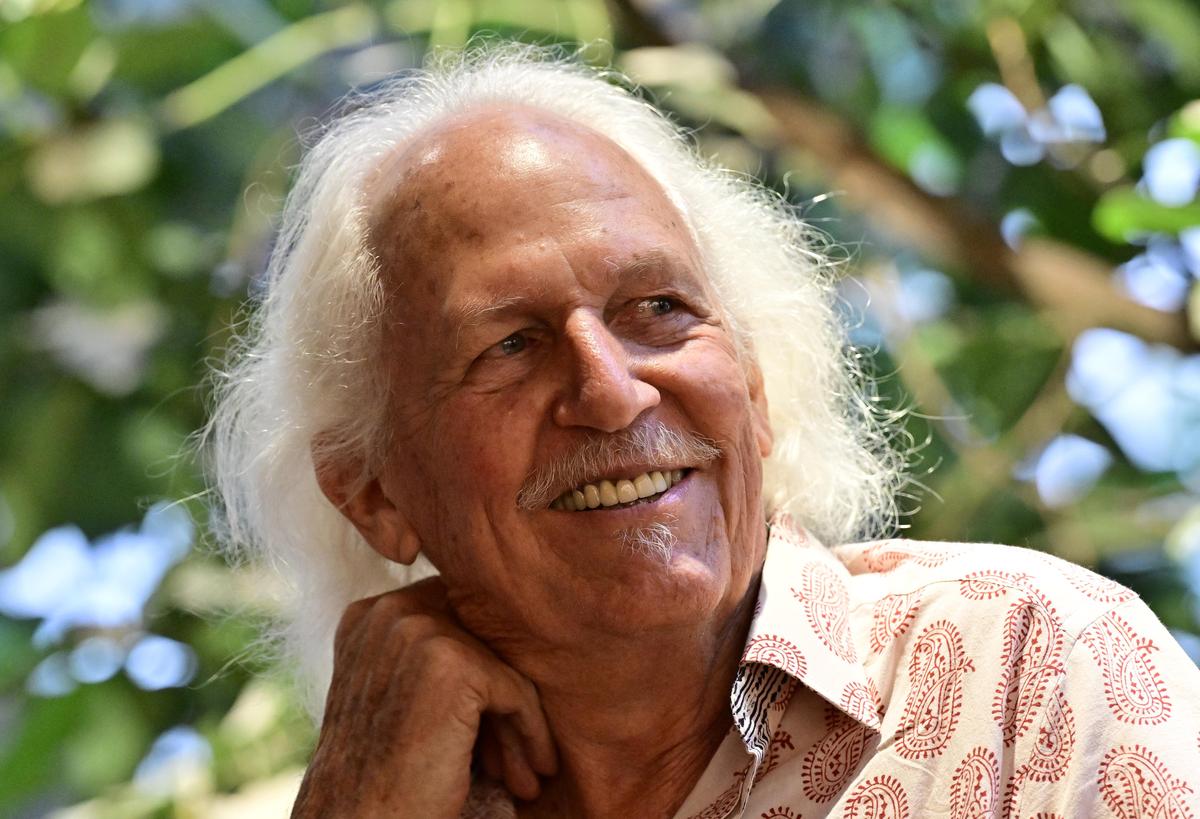
Romulus Whitaker.
| Photo Credit:
Murali Kumar K/The Hindu
“In 2005, I had the honour of receiving a Whitley Fund for Nature award for establishing the Agumbe Rainforest Research Station in South India. And the other honour was the chance to meet and informally chat with Sir David. I had a million questions, and I remember his question to me, “I’m not comfortable with venomous snakes, and I wonder how you can be so casual with king cobras; they seem so alien, how do you get across to them?” I stumbled through what I thought was an intelligent response and we had an enjoyable chat about rainforests. Aside from being awestruck by the incredible wildlife programs he has hosted over decades, I couldn’t resist asking him about the ultimate comedy show Monty Python’s Flying Circus which, as the new controller, he commissioned for BBC Two in 1969. He said “Yes, people were looking for something wacky and there it was”.
(As told to Rosella Stephen)

Anita Mani, editor, writer, birder and founder of Indian Pitta
Indian Pitta is a book imprint with Juggernaut that focuses on natural history and avian topics
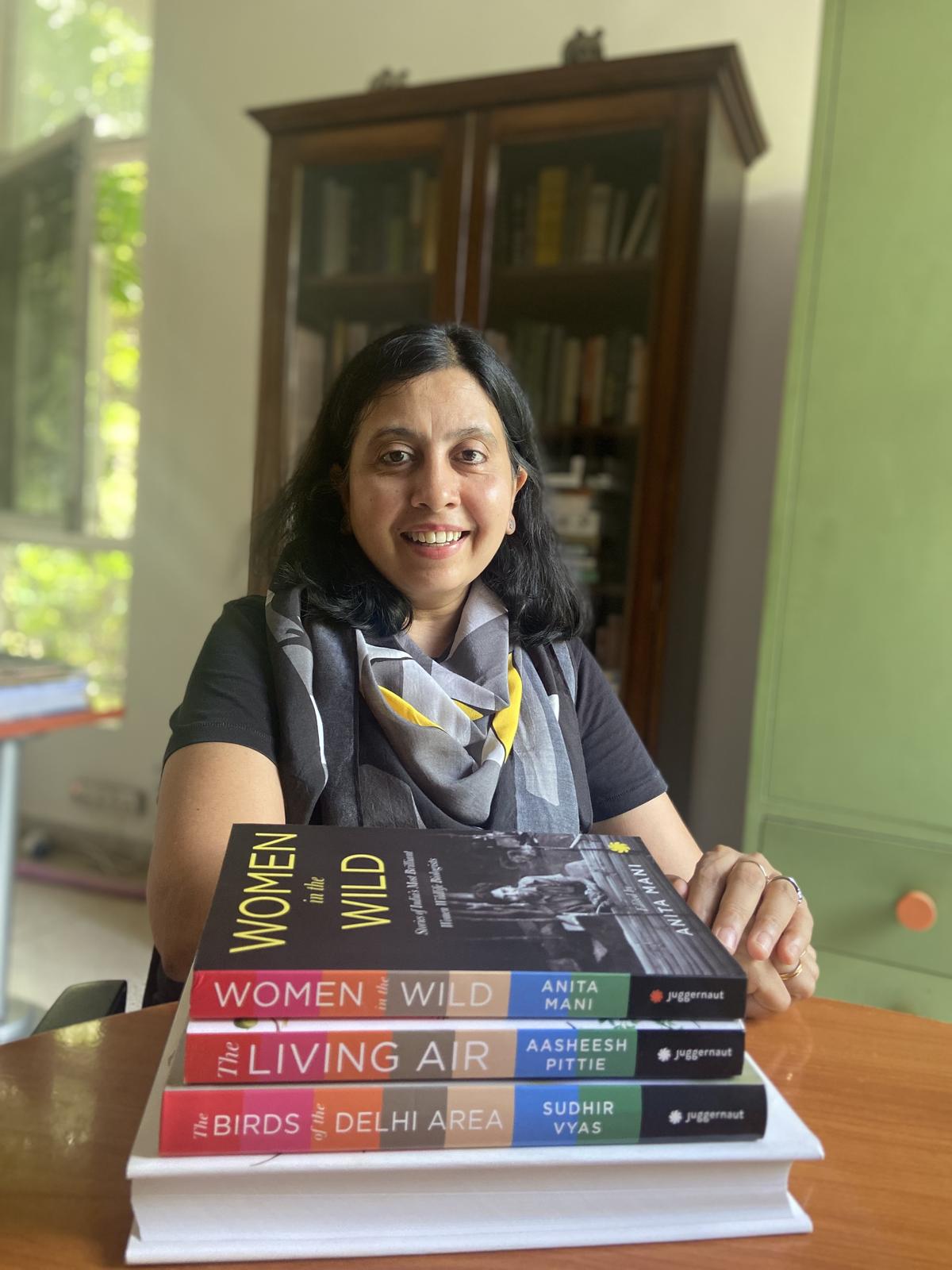
Anita Mani.
| Photo Credit:
Special arrangement
“I encountered David Attenborough quite late. A couple of decades ago, when my son was four or five, he took to wildlife instinctively. He started watching Attenborough’s documentaries on television, and we all got hooked. We bought his books and DVDs — I love The Life of Birds because the series [which tracks 300 species] made me see birds in a whole new way — and they catalysed our thinking about the natural world, the diversity of species, and the human impact on wildlife. Attenborough’s work is very accessible. He took wildlife out of the box and made it something that everybody could enjoy. If I could meet Attenborough today, I would ask him what his vision for the next 100 years is. He is nothing if not a realist, and I would very much like to know what he thinks is the path back to keeping the planet together. Attenborough did many of his initial explorations into climate crisis and the sixth extinction. Now, these are issues we have to deal with. Did you know in India only 5% of our geographic area is protected? The next century should be about restraint and restoration. If we don’t want Attenborough’s videos to become archaeological artifacts, we need to do something very fast.”
(As told to Surya Praphulla Kumar)
Asad Rahmani, Ornithologist and former director of BNHS (Bombay Natural History Society)

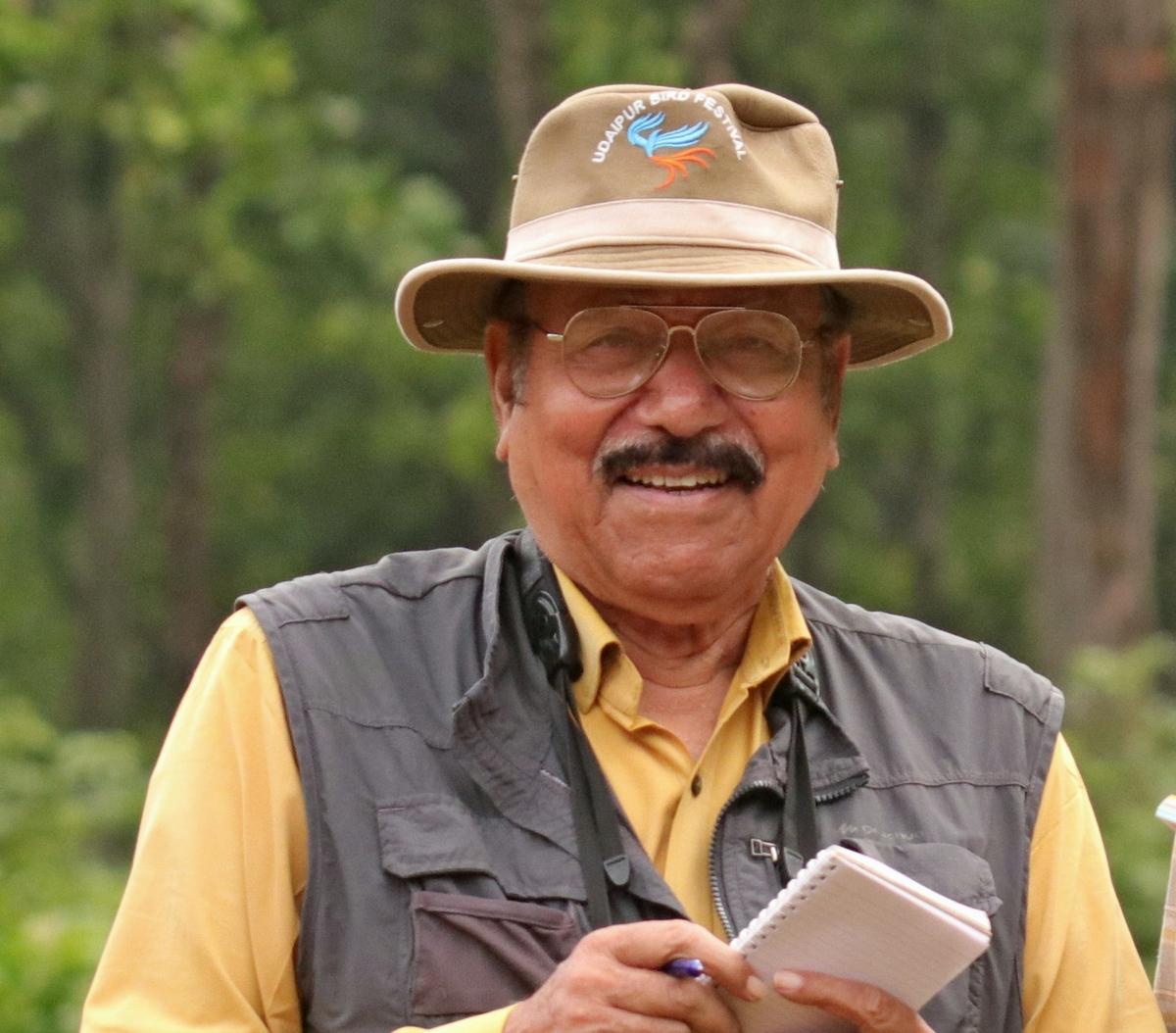
Asad Rahmani, former director of BNHS.
| Photo Credit:
Vivek Sarkar
“I’ve been interested in the environment since I was 12. I used to voraciously read the National Geographic and articles by naturalist M. Krishnan. David Attenborough came into my life much later, in the 80s, when almost every house in India had a TV, and we could watch his documentaries. What is amazing about his work is that he covered almost all the species, not only the glamorous large vertebrates. His presentations were based on good science, and he covered almost the whole world — from the Arctic to the Antarctic and from the Himalayas to the bottom of the Mariana Trench. Attenborough’s is a singular voice [much like that of the late English primatologist Jane Goodall’s and Indian conservationist Valmik Thapar’s], and I feel not many people will have his global moral authority in the future. While his work celebrates protected wilderness, the global conservation now, I feel, must include negotiating with dense human populations. In India, we have to find our own conservation model because there are hardly any areas where there is no human presence. But interestingly in our country, our traditions, culture and religions also help us make room for wildlife.”
(As told to Surya Praphulla Kumar)

Parveen Shaikh, scientist with the Bombay Natural History Society (BNHS)
Shaikh and Barkha Subba are the winners of the 2026 Whitley Award, also known as the Green Oscars. Shaikh won it for her work in conserving the endangered Indian skimmer (Rhynchops albicollis) along the Chambal River; and Darjeeling’s Subba for her conservation work on the Himalayan salamander.

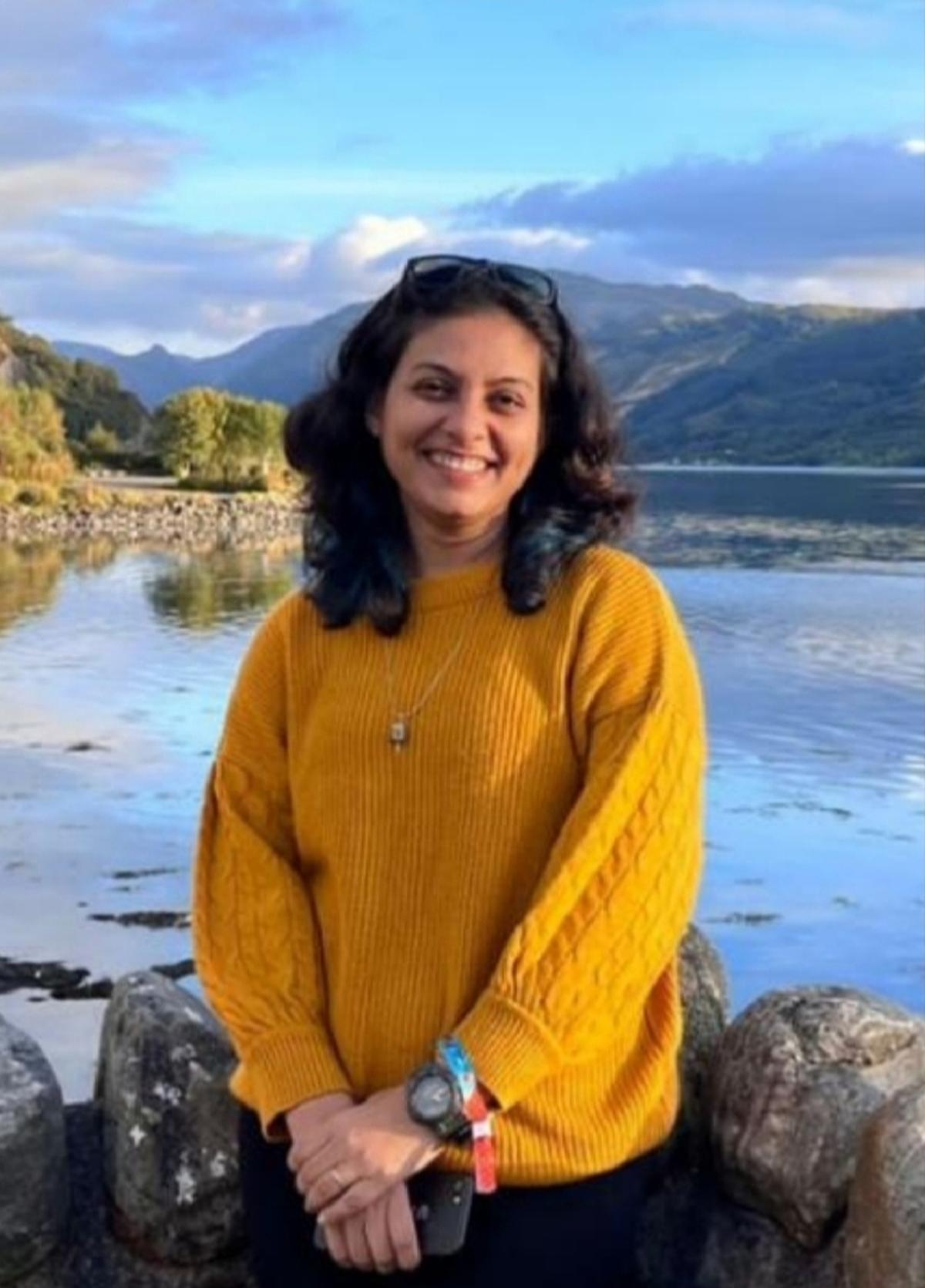
Parveen Shaikh.
| Photo Credit:
Special arrangement
“Sir David Attenborough was one of the wildlife and environment communicators who inspired me to become a conservationist. I remember growing up watching documentaries like Planet Earth and what came across was how he managed to simplify the message of conservation and wildlife to his audience. Attenborough, along with other leading voices in wildlife conservation, such as Jane Goodall, has inspired armies of young conservationists and scientists. His documentaries awed young viewers into developing a sense of wonder about the natural world. Sometimes it is just as important to show the pristine beauty of nature to inspire people into getting involved in conservation. And the future of conservation initiatives will also need to have communities having a much greater say.”
(As told to Rohan D. Premkumar)