



New Delhi: India’s campaign at the 2026 AFC Women’s Asia Cup in Australia ended in disappointment, with heavy defeats – such as 0-11 vs Japan – exposing the gulf with Asia’s elite. Yet, beneath the scorelines lies a more nuanced story of resilience, emerging talent and systemic gaps.Former India goalkeeper Aditi Chauhan reflects on a tournament that reaffirmed belief as much as it raised tough questions. From Manisha Kalyan’s moment of brilliance to structural shortcomings in preparation, coaching continuity and domestic football, Chauhan dissects the realities shaping Indian women’s football.
In this candid conversation, she outlines why World Cup qualification remains possible — if the right long-term vision, investment and reforms are urgently put in place.Excerpts:Q. It wasn’t the best showing, but there were a lot of promising signs. How would you assess the tournament? What are your takeaways? Aditi: The fact that we qualified and the way we qualified — on merit after over 20 years [23 years] — means that there’s so much talent. We were able to reach there because of the dedication, the passion of the players. Having been through the system and everything that a woman footballer faces and the challenges that we face, it’s purely about the grit and resilience of the players that we were able to get there. Obviously, things could have gone better. We were unlucky as well in certain situations during the matches. But I think taking the positives out of it is that we deserved to be there. There are realistic possibilities of the women’s national team qualifying for the World Cup fairly quickly in the coming years.

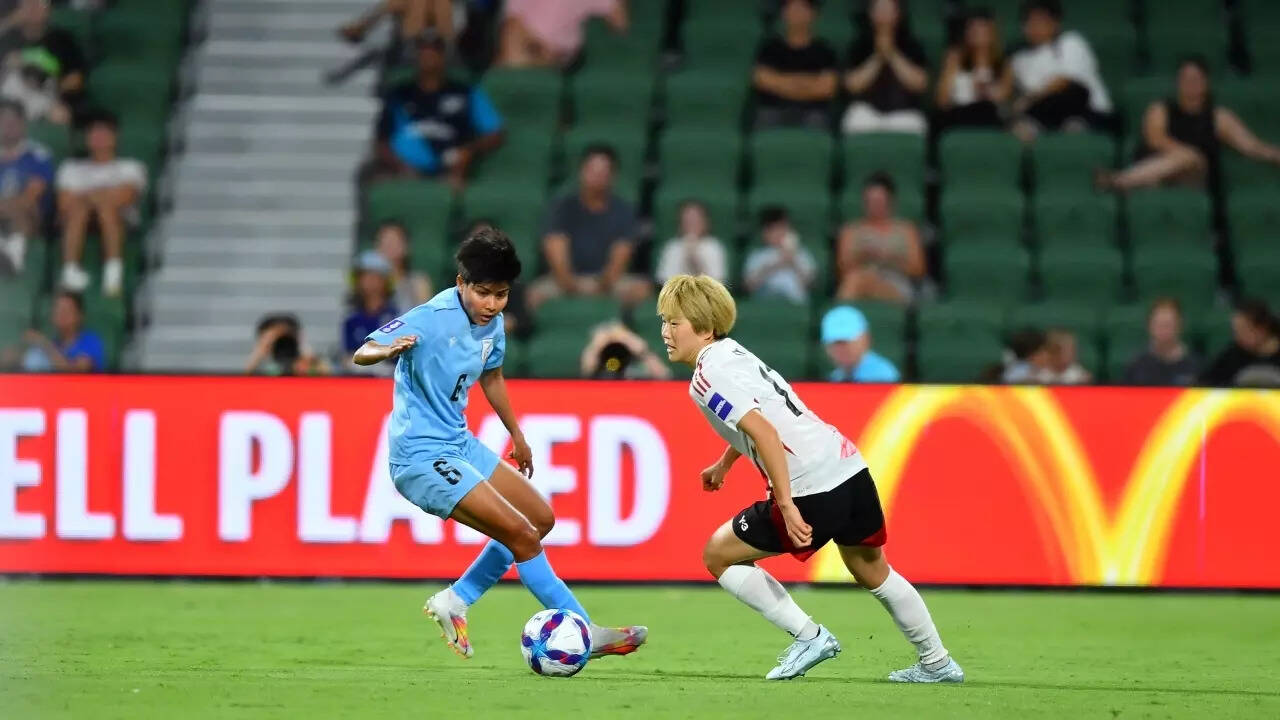
India were ruthlessly thrashed 0-11 by Japan in the second match in the 2026 AFC Women’s Asia Cup. (Image: AIFF)
Q. Japan game highlighted the gulf that exists between where we are now and the top level of women’s football in the continent. What do you take away from that game?Aditi: That the gulf is huge. The gulf right now is of 11 goals. Just bringing back some of the recent results. Right now, the gulf looks of 11 goals. But few years back when India played AFC qualifiers against Japan, the scoreline was 7-0.So the gap has increased and that’s where we need to ask questions of why that has happened. We were getting closer. It felt like we were getting closer. But then we’ve obviously taken a few steps back. So that’s where I feel we need to ask ourselves the question of why that’s happened. Q. Did the Japan game expose tactical gaps, structural gaps or both?Aditi: All of the above. Because we don’t really have a school system like Japan does where the same style of play or philosophy of football is followed throughout the entire system from grassroot to elite football. That’s where you build champions. And of course, the league is competitive.They have not been able to figure it out a couple of times. It took some time as well to figure out the right model to operate sustainably. And finally, most of the first XI or entire Japanese team was playing mostly in UK or in the US or European countries. So, there is directly no comparison at any level. So, there is a lot of work that needs to be done structurally, financially, infrastructure-wise, everything.Q. Manisha Kalyan’s strike is something that made everyone sit up and take notice. As a former goalkeeper yourself, how do you actually save it? Aditi: Honestly, no. I don’t think so. It came so quickly. By the time you blink your eye, it was inside the post. It hit the post and bounced inside. The keeper could barely react. It was hit so purely and with so much venom that I don’t think it was possible to get anywhere close to it, to be honest. Q. Was Manisha Kalyan the biggest positive from the Indian campaign? Aditi: She was one of the biggest positives, yes. 100%. But it was also exciting to see some of the youngsters who were stepping up, who were given the opportunity, who made the most of it. That’s what I feel is the biggest takeaway that the future is bright.If we can get the things in order and provide the right infrastructure that’s needed, that dream of the World Cup is possible.

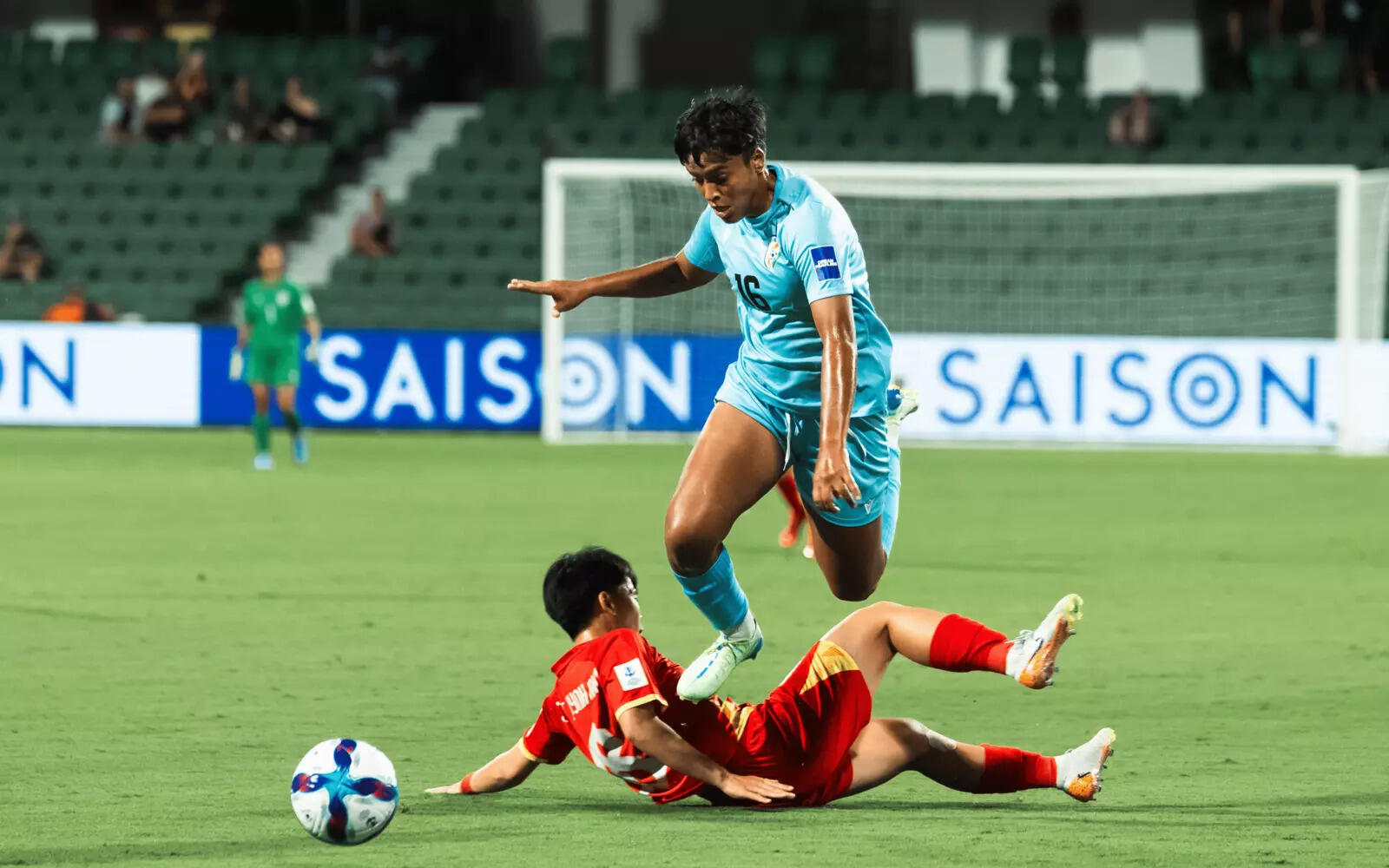
India in action during the 2026 AFC Women’s Asia Cup. (Image: AIFF)
Q. Getting Indian Women’s League (IWL) off the ground, consistently, still remains a challenge. The friendlies that we were supposed to have been played before the Asia Cup did not take place or were against weaker sides or against amateur players. As a player, what do you make of it?Aditi: I agree. We were dreaming of qualifying for the World Cup this time. To actually get to that, you have to be realistic with the plans in action as well. And I agree that we should have prepared better. We could have prepared better. And for that, the league plays a very, very important role. Of course, along with international exposure. Because even the IWL right now, I don’t think the level is equivalent to what the level is at international circuit or when you are playing against other countries. So, there is definitely that gap even in our professional league. That’s why (the need for) foreign exposures and more competitive matches. Not friendlies but actually participating in tournaments because there you build a different mentality. Getting into the zone, really taking the pressure, taking up the responsibility of playing in a tournament is different than playing friendlies.So, the way we prepare is also extremely important. But the first step is the league. Then comes the international exposure.
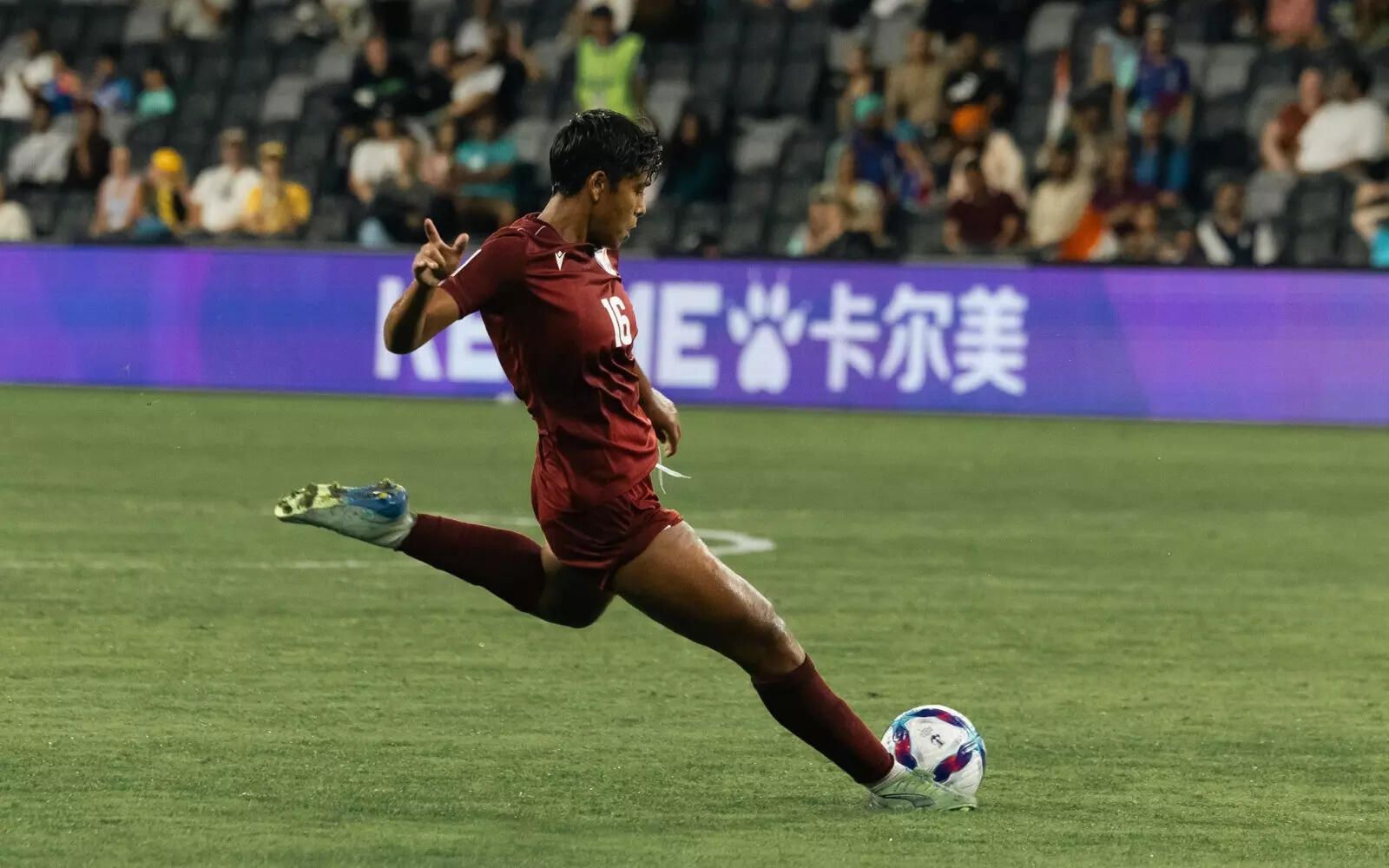
Manisha Kalyan in action during the AFC Women’s Asia Cup. (Image: AIFF)
Q. One thing that obviously was damaging was the players receiving the ill-fitting kits before the tournament. And then only getting the right jerseys hours before first game. How frustrating is it for a player that the administration is not as well-equipped or as maybe disinterested is the right word?Aditi: Well, obviously, as a player, if I have to imagine, it is not the best thing for anyone when you are preparing mentally. There are so many other factors that play a part in getting the team and the players focused. So, when you have these things happening, match day minus one, minus two is obviously distracting. But honestly, I feel like there’s so much of other distractions as well.And this is something that I think AIFF has answered or that needs to be questioned. And that needs to be figured out why that happened, honestly. And how could that happen when you know when the league [tournament] is, when the matches are.But it will be also interesting to get the views of the players who were actually present there, what they felt and how was the situation over there. And what actually happened, because I have no idea of what actually happened and why the wrong sizes were sent over. So, that will be interesting to get more information on.
There are so many other factors that play a part in getting the team and the players focused. So, when you have these things happening it is obviously distracting.
Aditi Chauhan
Q. As things stand, AIFF have launched an investigation into the fiasco and what transpired. How demotivating and distracting is it for a player?Aditi: There can be more things that can be more distracting. But this is one of the distractions that you wouldn’t want when you’re playing a tournament, when you have important matches. Especially the first match being one of the most important matches. If you get off to a good start, earn those three points, you’re in a comfortable position.So, yeah, like I said, it is distracting for sure. But there were other factors also, which I felt played a part in not securing a decent finish out of the group. Q. What would be those factors if you can share? Aditi: One of the things that we’ve obviously spoken about is the preparation. The right preparation was needed. You also have to have consistency and stability in the leadership. You know, coach coming in one month prior. I don’t know how much impact can that have on the team and its preparation. So, there are multiple factors and it needs to be broken down.
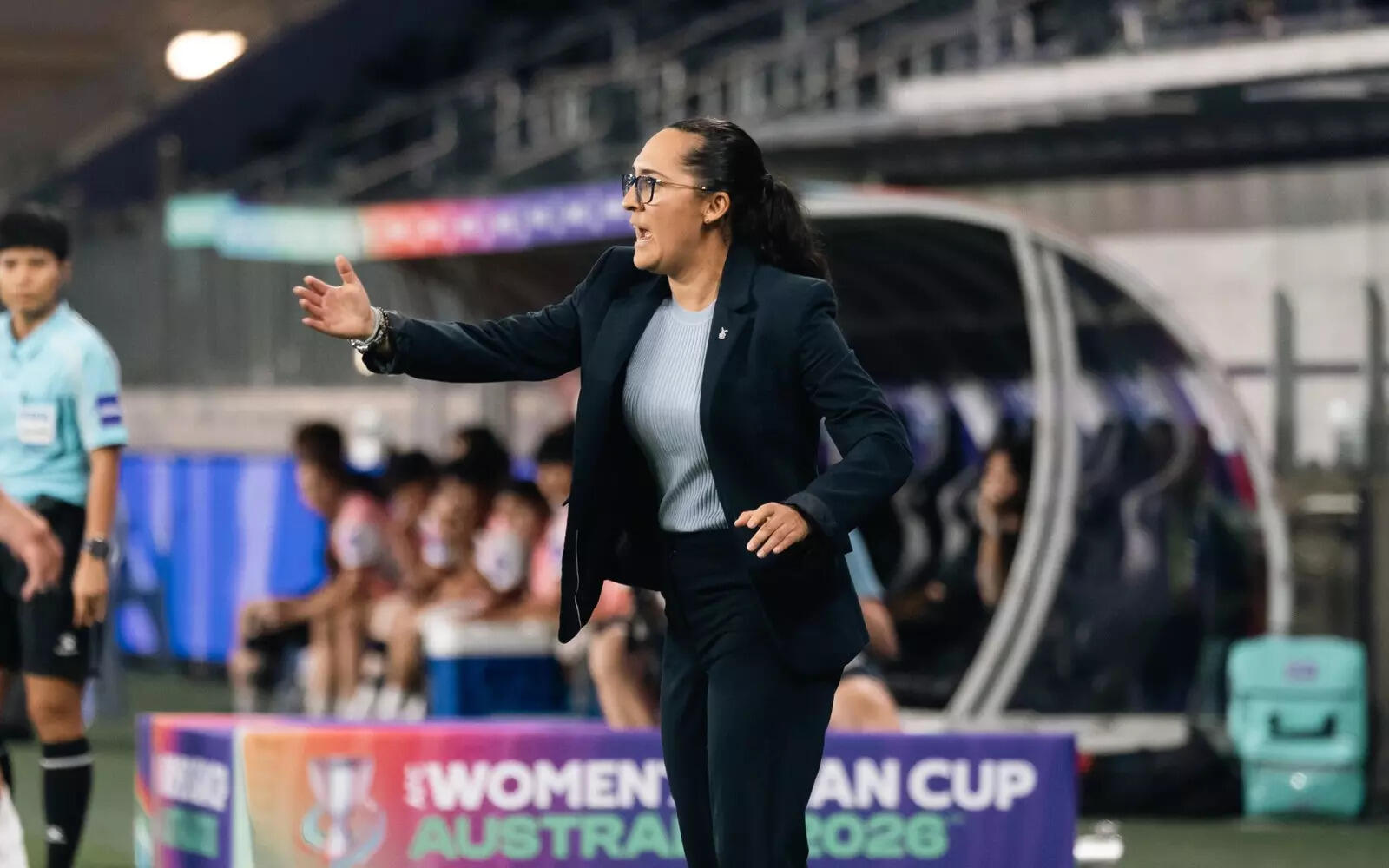
Amelia Valverde was appointed the coach of the India women’s team in January. (Image: AIFF)
Q. Amelia Valverde was appointed as the coach in January. She had eight weeks to connect with the team and bring in her system, her style. Does that, rather than providing any sort of consistency, is that more destabilising for a team? Aditi: I think there were a lot of technical reasons also. The coach who was leading, Mr. Crispin Chetri, did not have the Pro Licence. So, he could not officially be the head coach. So, that was one of the reasons.But maybe the other reason is that they thought someone more experienced who has taken a team to this level before might add more value. So, I don’t know what the thought process behind that was. I feel like it’s good to have foreign coaches leading and for the Indian coaches to learn from their experience. But yes, there has to be consistencies and time given for the coach to actually implement their ideas and philosophy. So, a little more time, I feel, could have been helpful for the coach. Q. Would you continue with the current setup?Aditi: I would have done a thorough investigation if I was there. Really figure out all the answers. Really decode everything, break down everything that happened, everything that led up to that event. And really interview, ask questions of the people who were part of the process to learn more of the ground reality situation.And certainly learn from that and implement things from a more informed position. And of course, using my experience, whether it was as a player, as a sports management professional or someone who is working or contributing in the ecosystem. I probably would have taken a different approach.

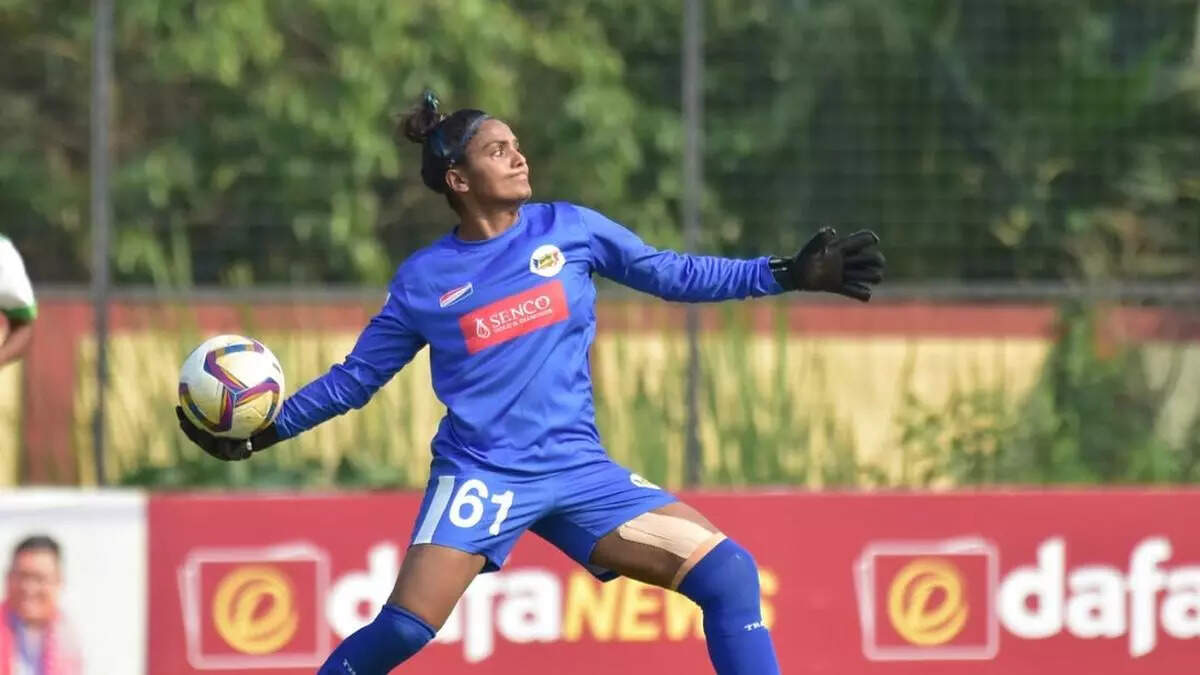
File photo of Aditi Chauhan.
Q. In terms of looking at how we go from here, what immediate reforms are required to ensure that we actually qualify for the World Cup? Aditi: I have spoken about this multiple times. I feel the league system has to be professional. It has to go on throughout the year, at least 6-7 months minimum. More competitive matches and better salaries so that this becomes a livelihood and the players can 100% dedicate themselves to this. And create that supportive ecosystem. I think there are a lot of gaps, a lot of holes in the system right now.With the league being stopped for and being played over two halves. A lot of things that obviously you also have to incorporate as you go. Because there are multiple factors playing a part and so many different stakeholders being involved.But there has to be a long term vision and approach and implementation plan in place. You can’t just randomly have random plans. I think there has to be a better plan in place for women’s football if we realistically want to look at qualifying for the World Cup.Starting from the grassroots level to the elite development pathway. League plays an important role. And then how do you develop that young players quota or a pool of players that can work at the age group level.But also then progress with experience to the senior level. While also maintaining a competitive environment in the league.

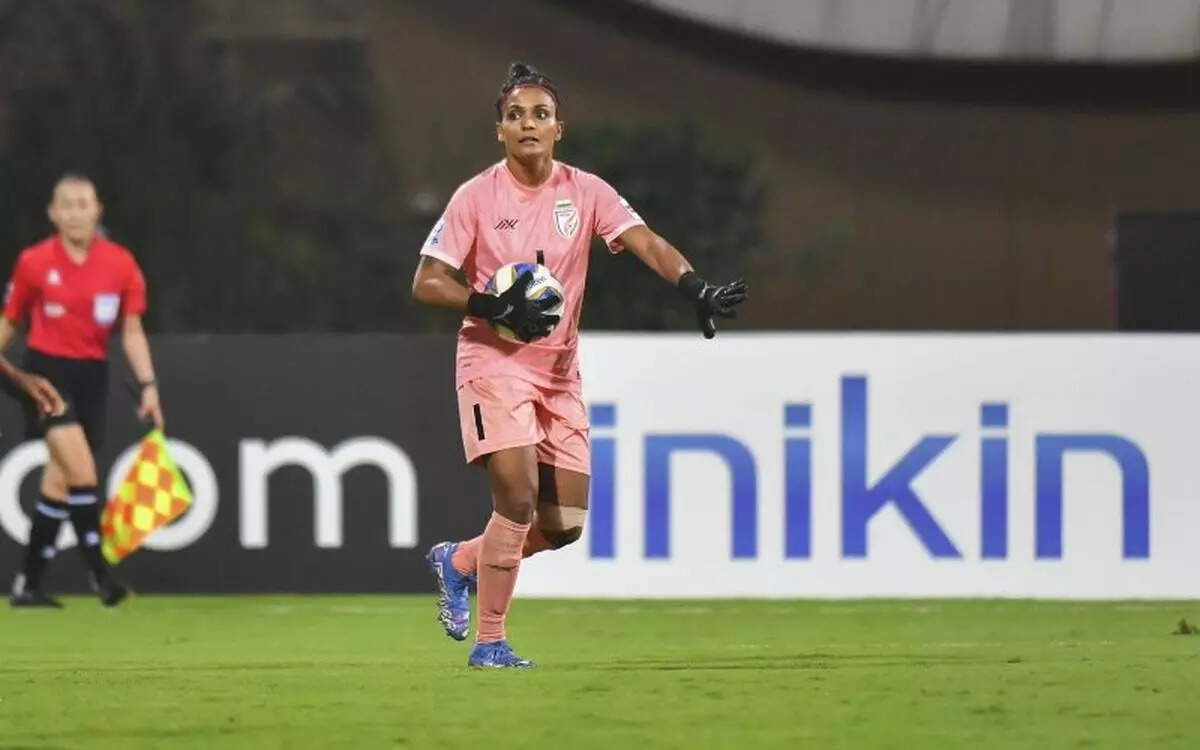
File photo of former India goalkeeper Aditi Chauhan. (AIFF Media)
Q. Aside from a robust domestic league, does it make sense that players go out and play abroad?Aditi: Top players who are good enough should 100% go abroad. Because like I said, the standard of IWL is not really up to the mark of the international standard when we play countries. So if you get that experience and get the opportunity to play abroad in a more competitive environment, of course choose that.That will 100% help you grow. That’s happened with me from my personal experience. The most I learnt was during my time at West Ham.But for the rest of the pool who might not be at that level to play internationally, they still need to develop themselves in domestic league. Which is professional and they can dedicate and learn and improve.

